A New Horizon for Egypt’s Water Security
In a strategic move to bolster national water security and industrial self-sufficiency, the Egyptian government is exploring an ambitious desalination initiative that could reshape the country’s resource landscape. Minister of Electricity and Renewable Energy, Mahmoud Esmat, recently hosted high-level talks with George Brek, the head of the Belgian technology firm Hydrovolta, to discuss a proposal capable of producing a staggering 10 million cubic metres of desalinated water daily by 2050.
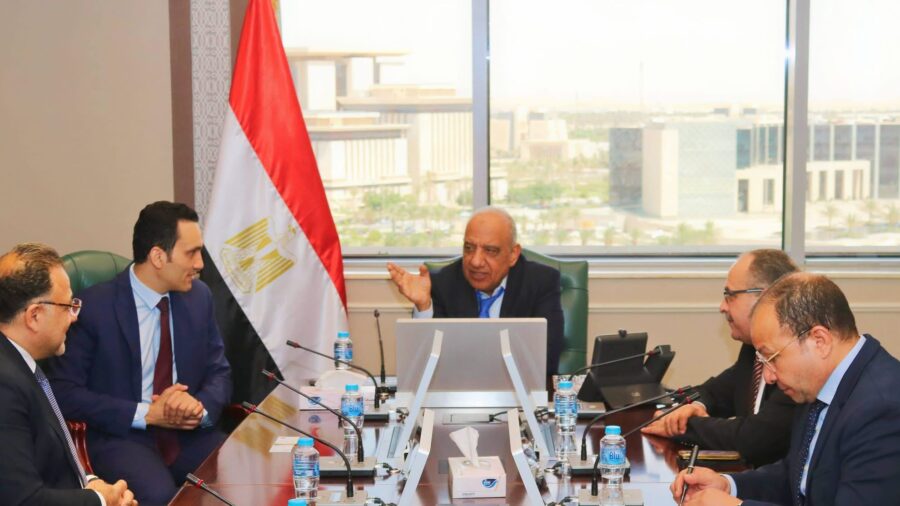
The high-stakes meeting, held at the Ministry’s headquarters in the New Administrative Capital, brought together key industry leaders, including Arab Contractors Chairman Ahmed El-Assar and Scatec Norway CEO Mohamed Amer. The discussions centered on an innovative approach: leveraging Egypt’s existing power plant infrastructure to facilitate large-scale water treatment.
Revolutionary Technology: The SonixED System
At the heart of the proposed project is Hydrovolta’s proprietary SonixED technology. This advanced electrochemical treatment system addresses the long-standing challenges of water desalination—namely energy efficiency and operational maintenance. The system uniquely combines two powerful processes:
- Electrodialysis: Used to effectively remove ions and pollutants from water sources.
- Ultrasound Integration: Utilized to limit salt precipitation, a common issue that hampers efficiency in standard desalination plants.
By integrating these technologies, the project aims to significantly reduce the chemical requirements and energy consumption typically associated with desalination. Furthermore, the technology is designed to minimize ‘scaling’—the buildup of mineral deposits—which often leads to costly plant downtime.
Turning Waste into Economic Opportunity
Perhaps the most compelling aspect of the Hydrovolta proposal is its potential for circular economy integration. Beyond merely producing potable water for drinking or irrigation, the process is designed to extract valuable commercial compounds and minerals from desalination residue. This “brine mining” capability could turn a typical waste byproduct into a revenue stream.
The project is structured in strategic phases:
- Phase One: Targets a daily capacity of 3.35 million cubic metres, with a heavy emphasis on chemical production to reduce Egypt’s reliance on imports.
- Phase Two: Introduces advanced systems to extract, purify, and classify magnesium, effectively converting desalination residue into a high-value industrial product.
The extracted materials include magnesium hydroxide, calcium carbonate, sodium chloride, potassium chloride, bromine, and hydrochloric acid.
Sustainability and Strategic Partnerships
Minister Esmat underscored that this initiative is not an isolated project but a cornerstone of Egypt’s broader sustainable development strategy. The integration of renewable energy sources, particularly wind and solar power, is viewed as essential to lowering the long-term operational costs of desalinated water produced at power plants. This synergy between energy generation and water treatment is vital for supporting development in coastal regions, where the demand for urban, industrial, and tourism expansion is accelerating.
“Desalination projects represent a promising field for attracting foreign and private investments, localizing technology, and establishing related industries,” Minister Esmat stated. He emphasized that the state is committed to providing full support for private sector partnerships, aiming to localize modern technology and maximize economic returns for the nation.
As Egypt continues to navigate the complexities of water scarcity, collaborations with global innovators like Hydrovolta signal a proactive shift toward high-tech, sustainable solutions that address both environmental and economic imperatives.