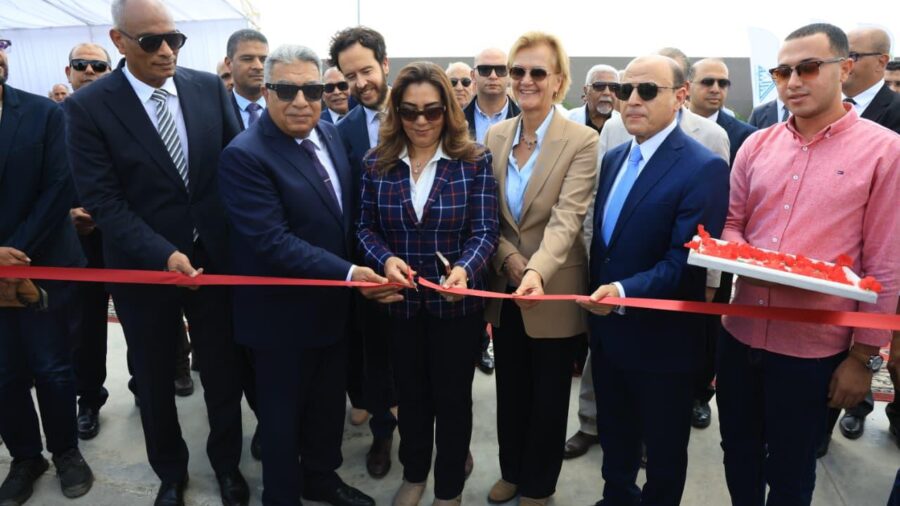
Two new waste transfer stations have opened in the Nile Delta governorates of Dakahleya and Gharbeya, marking a step in the Kitchener Drain water-quality improvement project. The facilities, located in Nabroh and Nsheil, cost €3.8 million and possess a combined daily capacity of 600 tonnes.
Infrastructure and Operational Goals
The stations are part of a broader initiative to reduce pollution from municipal waste, sewage, and industrial discharge. Local Development and Environment Minister Manal Awad stated the solid-waste component is supported by a €79 million loan from the European Bank for Reconstruction and Development and an €8 million European Union grant. The project covers Dakahleya, Gharbeya, and Kafr El-Sheikh.
Each station uses a direct-transfer system where collection vehicles unload waste onto larger trucks. Officials said this model separates short collection rounds from long-distance transport, reducing fuel consumption and maintenance costs. The ministry estimates the Nabroh facility could lower greenhouse gas emissions by 4.4 tonnes of carbon dioxide equivalent daily.
Future Project Developments
The wider program includes five recycling plants with a total capacity of 4,200 tonnes per day. Two plants are expected to open in December, with two more scheduled for February 2027. Authorities also plan to rehabilitate the Qalabsho dumpsite, which contains approximately 2.5 million cubic metres of waste.