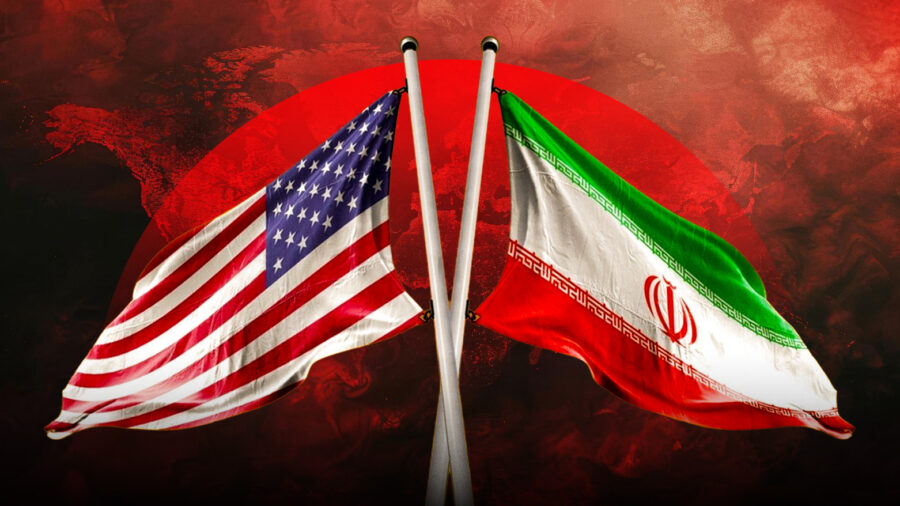
The United States entered a war against Iran in February with promises of a swift, decisive strike, but seven months later the conflict has morphed into a costly stalemate that touches soldiers, families, and the world’s oil supply.
Key takeaways
- Initial optimism faded: President Trump called the operation a short “skirmish” that would end in weeks.
- Military goals unmet: Airstrikes failed to topple Iran’s regime or halt its missile and drone attacks.
- Human cost rose: Dozens of U.S. service members died and hundreds were wounded.
- Economic ripple effects: The Strait of Hormuz, a conduit for one‑fifth of global oil, was blocked, driving up fuel prices.
- Sanctions escalated: “Economic D‑Day” targeted about 60 entities, aiming to choke Iran’s shadow oil fleet.
From rapid strike to prolonged confrontation
What began as a series of air raids on nuclear and missile sites quickly expanded. Within weeks, thousands of strikes were launched, yet Iran responded with its own missiles and drones, and even appointed a new Supreme Leader, Mojtaba Khamenei. Major combat operations tapered after roughly 40 days, giving way to ceasefire talks that never solidified.
Strait of Hormuz becomes a flashpoint
Iran’s decision to restrict the strategic waterway turned the war into a battle over a vital energy lifeline. The closure threatened the flow of roughly 20% of the world’s oil, prompting heightened global concern and spiking U.S. fuel prices.