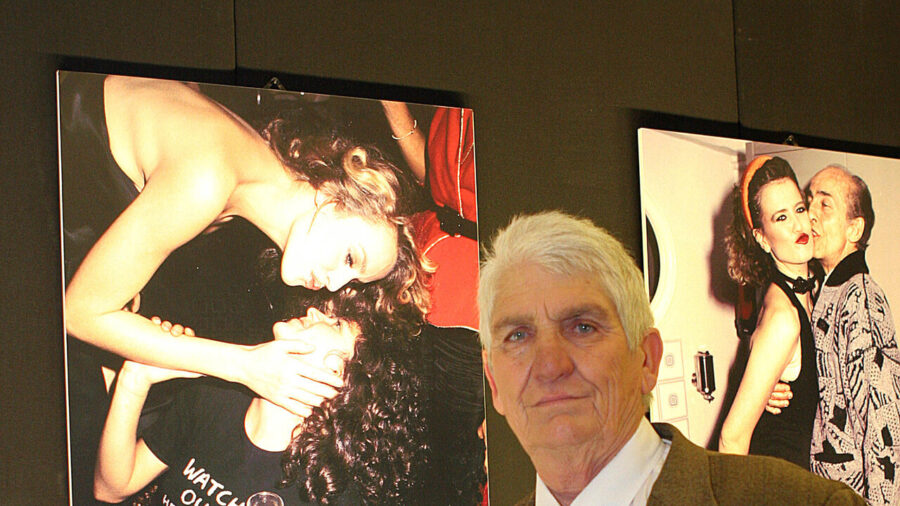
On a quiet morning in Rome, the news broke that Umberto Pizzi, one of Italy’s most beloved photographers, had died at the age of 89. Friends recalled him stepping out of his modest studio, camera slung over his shoulder, ready to chase the next fleeting moment.
A Life Behind the Lens
For six decades, Pizzi’s black‑and‑white frames narrated the story of a nation in flux. He began his career in the exuberant 1960s, capturing the glamour of the Dolce Vita—sun‑kissed streets, elegant cafés, and the charismatic celebrities who defined an era. As Italy evolved, his eye turned to the quieter, sometimes harsher realities: the rise of consumer culture, social unrest, and the everyday struggles of ordinary citizens.
Legacy and Reflection
Colleagues describe Pizzi as a quiet observer who let his photographs speak louder than words. His exhibitions, displayed in museums from Milan to Naples, offered viewers a mirror of Italy’s virtues and vices, prompting both pride and introspection. In the weeks following his death, galleries announced tribute shows, and younger photographers cited his dedication to authenticity as a guiding light.
As Italy mourns the loss of a visual historian, the images he left behind continue to teach, reminding future generations that the country’s story is as much about its shadows as its light.