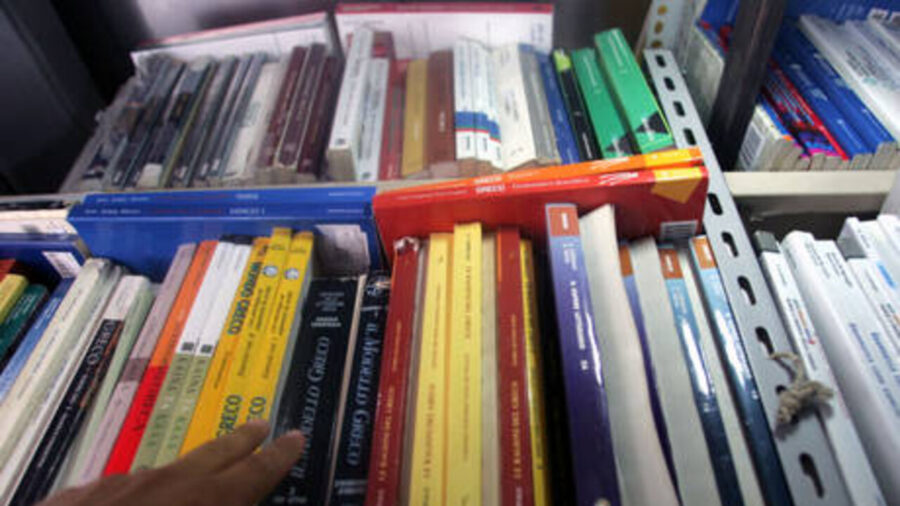
Italian independent booksellers are reporting a significant downturn in revenue linked to the sale of school textbooks. Industry data indicates that three-quarters of bookstores have seen a drop in earnings from this sector. The decline follows recent modifications to the government’s cultural voucher programs, which replaced the previous 18App scheme.
Transition to New Cultural Vouchers
The Italian government introduced new versions of the Carta Cultura to replace the long-standing 18App, which provided 500 euros to 18-year-olds for cultural purchases. Booksellers report that the updated system has complicated the procurement process for students and families. According to industry surveys, nearly two-thirds of bookstore owners state that the new vouchers generate less revenue than the previous system. The shift has created friction in the retail book market, impacting profit margins for small and medium-sized independent shops.
Impact on School Textbook Sales
The sale of school textbooks remains a critical revenue stream for many local bookstores. Retailers indicate that the administrative hurdles associated with the new voucher system have discouraged usage. As a result, many families are opting for alternative purchasing channels or reducing their reliance on local bookshops. Bookstore associations note that this trend threatens the sustainability of independent retailers who rely on the seasonal influx of textbook sales to maintain annual operations.
Current Status of the Retail Sector
The retail book sector remains in a period of adjustment as businesses grapple with the reduced efficacy of the new voucher programs. While the government maintains that the reforms aim to streamline cultural spending, the immediate economic data suggests a negative impact on independent bookstores. The ongoing decline in textbook-related earnings highlights a growing disparity between government policy objectives and the operational realities faced by small business owners in the cultural sector.
 Egypt
 Saudi Arabia
 UAE
 Spain
 United Kingdom
 United States
 China
 India