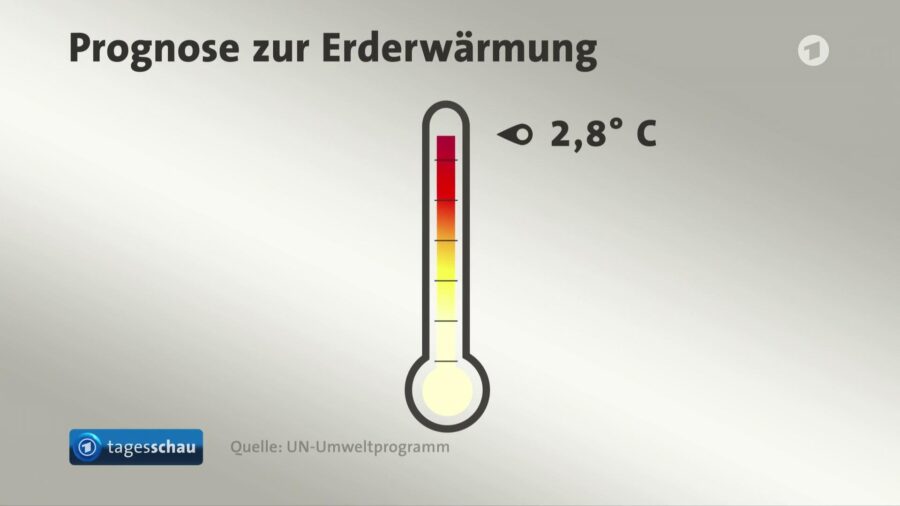
The Earth is currently on a trajectory to experience a temperature increase of 2.8 degrees Celsius by the end of the century, according to a report released by the United Nations Environment Programme (UNEP). This projection suggests that existing national climate pledges are falling short of the goals established by the international community.
Current Climate Policy Gap
The assessment highlights a significant disparity between the commitments made by nations to reduce greenhouse gas emissions and the actual implementation of these policies. Current efforts are insufficient to limit global warming to the 1.5 degrees Celsius threshold set by the Paris Agreement.
According to the UNEP data, the world is not on track to reach the necessary emissions reductions required to stabilize the climate. The findings indicate that without substantial changes to energy, industry, and transportation sectors, the planet will continue to warm at an unsustainable rate. The report emphasizes that incremental changes will not suffice to prevent the most severe outcomes of climate change.
Implications for Global Action
The report underscores that the window for meaningful intervention is narrowing. International bodies are calling for immediate, systemic shifts in how global economies operate. The data serves as a benchmark for upcoming climate negotiations, where nations are expected to revisit and strengthen their commitments.
As global temperatures rise, the pressure on developing nations and those most vulnerable to climate-related disasters is expected to mount. The scientific consensus presented in the report suggests that the costs of inaction will far outweigh the investments required for a transition to sustainable energy systems.
Why it matters: This projection directly impacts the Middle East and Egypt, regions that are already experiencing significant heat stress and water scarcity. A 2.8-degree increase poses severe risks to regional food security, infrastructure, and the habitability of urban centers, underscoring the urgent need for climate adaptation strategies in these areas.
 Egypt
 Saudi Arabia
 UAE
 Spain
 United Kingdom
 United States
 China
 India