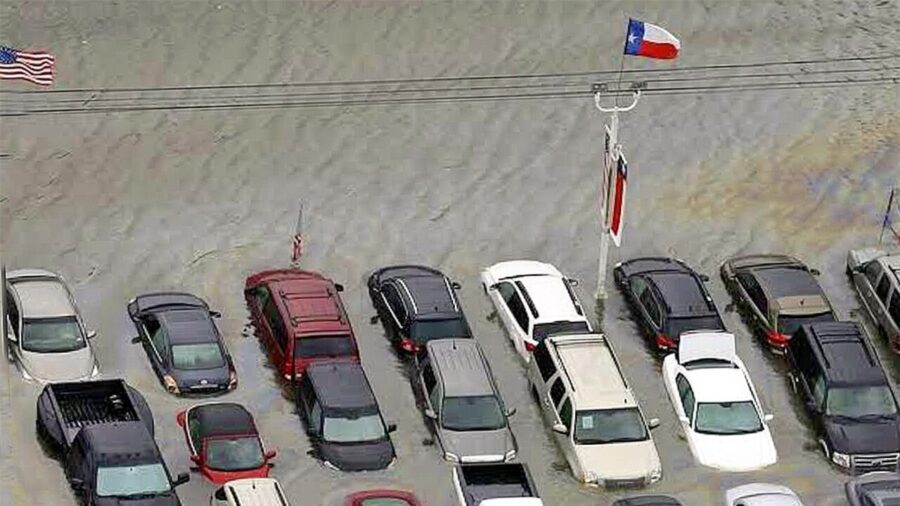
Following the passage of Hurricane Isaias, United States consumer protection agencies are warning buyers to be cautious of flood-damaged vehicles appearing on the used car market. Experts estimate that between 450,000 and 530,000 vehicles impacted by water and mud are currently in circulation across the country.
The Risks of Flooded Vehicles
Flood-damaged cars often present severe mechanical and electrical issues that may not be immediately apparent to purchasers. Water intrusion can compromise critical safety systems, including airbags, braking mechanisms, and engine components. Mold and corrosion can also develop within the vehicle’s interior and wiring harnesses, leading to long-term reliability problems.
State authorities often issue “salvage” or “flood” titles to vehicles deemed total losses by insurance companies. However, unscrupulous sellers may attempt to hide this history through a process known as “title washing.” This involves moving the vehicle to a state with different registration laws to obtain a clean title, effectively obscuring the car’s history from unsuspecting buyers.
Consumer Protection Measures
Consumer advocates recommend several steps to avoid purchasing a damaged vehicle:
- Check the vehicle’s history report using the Vehicle Identification Number (VIN).
- Inspect the vehicle for signs of water damage, such as silt in the trunk or under floor mats.
- Check for a musty odor or excessive use of air fresheners, which may be used to mask dampness.
- Have a trusted mechanic perform a pre-purchase inspection.
Why it matters: The influx of compromised vehicles creates significant safety and financial risks for consumers. For international markets, including those in the Middle East where used American vehicles are often imported, this trend highlights the importance of rigorous vehicle history verification processes to avoid purchasing damaged goods.
 Egypt
 Saudi Arabia
 UAE
 Spain
 United Kingdom
 United States
 China
 India