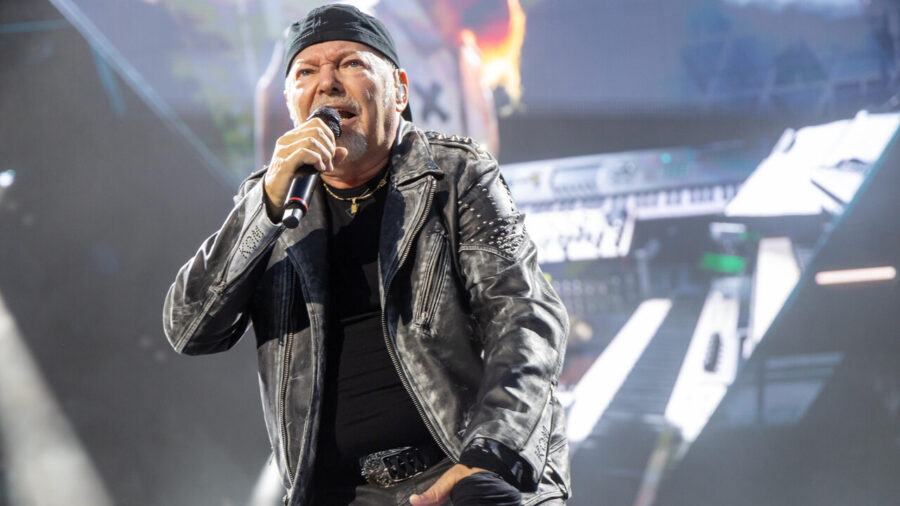
Italian rock legend Vasco Rossi told reporters on Tuesday that politics should focus on who is heard, not merely on institutional walls. The singer, known for his socially charged lyrics, argued that decision‑makers must consider the voices of ordinary citizens when shaping policy.
Rossi emphasized that while a song cannot prescribe a way of life, it can give expression to societal grievances. “A song does not give instructions for living, but it can give voice to a discomfort,” he said during a press conference in Milan.
Political relevance of music
The artist linked his statement to recent debates in Italy over public participation in legislative processes. He suggested that cultural works, such as music, serve as a barometer of public sentiment and can highlight issues that formal institutions overlook.
Rossi’s comments came after a series of protests across the country demanding greater transparency and accountability from government officials. He noted that the role of artists is to amplify those concerns, adding that “politics is not only about the palaces; it is about deciding who to listen to.”
Background
Vasco Rossi, whose career spans more than four decades, has frequently addressed social themes in his songs. His 2023 album featured tracks that critiqued economic inequality and youth unemployment, resonating with a broad audience. Critics have praised his ability to merge popular music with commentary on contemporary issues.
In recent months, Italian lawmakers have introduced measures to increase citizen involvement in policy drafting, including public hearings and online consultation platforms. Rossi’s remarks align with these efforts, underscoring the cultural sector’s interest in more inclusive governance.
He concluded by urging politicians to move beyond symbolic gestures and engage directly with the concerns expressed through music and other forms of art.
Why it matters: Rossi’s appeal to listen to everyday voices highlights a growing demand for participatory politics in Italy, a trend that could influence legislative reforms and public engagement across the Middle East and Egypt, where artists similarly use music to spotlight social challenges.
 Egypt
 Saudi Arabia
 UAE
 Spain
 United Kingdom
 United States
 China
 India