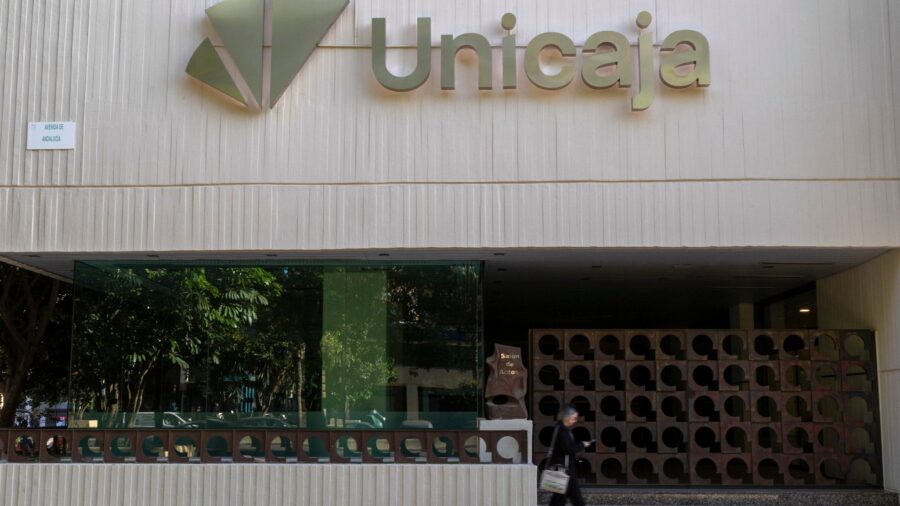
In a boardroom at Unicaja Bank, senior executives gathered as the institution’s chief executive, José Sevilla, announced he will not seek another term. The revelation set in motion a formal search for his replacement.
Shareholder Influence Grows
Unicaja’s largest shareholder, the Fundación Unicaja, has signaled its intent to shape the next appointment. Sources familiar with the matter said the foundation wants a president who reflects the model it envisions for the bank – one that remains closely tied to the local market and Andalusian enterprises.
The foundation’s push follows weeks of internal tension after Sevilla’s decision was communicated to the board. Analysts note that the foundation’s stake gives it considerable leverage in steering the bank’s strategic direction.
Potential Impact on Governance
Industry observers expect the foundation’s involvement could influence the bank’s governance structure, emphasizing regional development and closer ties to small and medium‑sized businesses in Andalusia. The board is expected to evaluate candidates who can align with these priorities while maintaining regulatory compliance.
Unicaja’s supervisory board has not yet named a shortlist of candidates. It will convene a special meeting later this month to discuss the selection process and timeline.
Stakeholders, including minority shareholders and regional business groups, are watching the developments closely. Some fear that a foundation‑driven appointment could tilt the bank’s strategy toward local interests at the expense of broader expansion plans.
Why it matters: The choice of Unicaja’s next president will determine how the bank balances regional focus with national growth ambitions. For the Middle East and Egypt, where Spanish banks are active partners in financing trade and infrastructure, the leadership direction could affect cross‑border collaborations and investment flows.
 Egypt
 Saudi Arabia
 UAE
 Spain
 United Kingdom
 United States
 China
 India