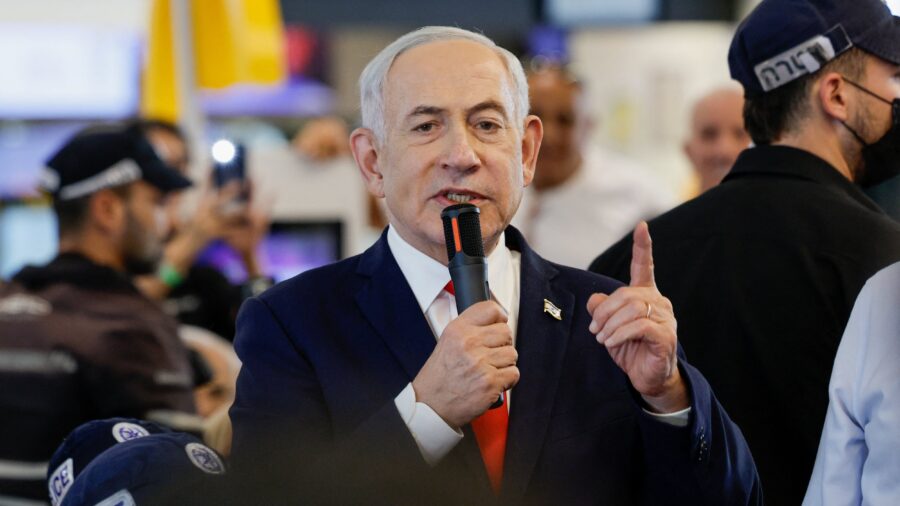
Israeli Prime Minister Benjamin Netanyahu is poised to secure a strong showing in next week’s national elections, despite leading the country during the Oct. 7 Hamas attacks that killed about 1,200 people.
Analysts attribute Netanyahu’s favorable position to a combination of successful military campaigns and a robust economic performance. Israel’s Gross Domestic Product grew in 2025 by more than one percentage point above the Organisation for Economic Co‑operation and Development (OECD) average of 1.8%, positioning the country ahead of many developed economies.
Key factors behind the poll lead
The government’s military actions since the October attacks have restored confidence among segments of the electorate, according to political observers. At the same time, the economy’s out‑performance has bolstered Netanyahu’s image as a manager of national prosperity.
Economic data released by the Israeli Central Bureau of Statistics show that the 2025 growth rate exceeded the OECD benchmark, contributing to lower unemployment and higher consumer spending. Business leaders have cited stability in the tech sector and increased foreign investment as drivers of the growth.
Potential implications of a change in government
Opposition parties argue that a new administration could capture an economic dividend by implementing different fiscal policies. Critics warn that reliance on military success may mask underlying structural challenges, such as housing shortages and income inequality.
International observers note that Israel’s economic trajectory will affect regional trade and investment flows, especially with neighboring Middle Eastern markets seeking partnerships in technology and energy.
Election day is scheduled for next week, and voter turnout is expected to be high given the recent security and economic developments.
Why it matters: The election outcome will shape Israel’s economic policies and security posture, influencing regional stability and trade relationships that are critical for Middle Eastern economies, including Egypt’s growing tech and energy sectors.
 Egypt
 Saudi Arabia
 UAE
 Spain
 United Kingdom
 United States
 China
 India