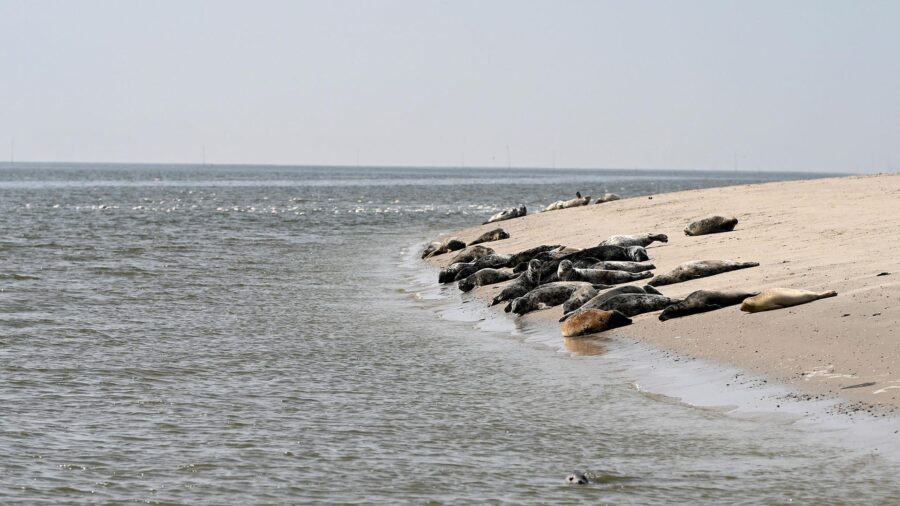
UN member states have pledged to place 30% of the planet’s land and sea under formal protection by 2030, a target set at the recent UN Biodiversity Conference.
2030 Target
The conference resolution calls for three‑tenths of global territory to be designated as protected areas within the next decade. Signatory countries are expected to integrate the goal into national conservation policies and allocate funding accordingly.
Early Gains
Initial reports indicate that several pilot schemes are delivering measurable outcomes. In select regions, wildlife populations have stabilized and habitat degradation rates have slowed after the establishment of new reserves.
Cost and Implementation Challenges
Experts note that the financial and logistical demands of expanding protected networks are substantial. Infrastructure development, enforcement personnel, and monitoring systems require significant investment, raising concerns about the feasibility of meeting the 2030 benchmark.
Current Status
While early successes provide a proof of concept, the overall progress remains uneven. Nations continue to negotiate funding mechanisms and technical support to scale up protection efforts. The UN conference underscores the urgency of closing the gap between pledged targets and on‑the‑ground implementation.
Why it matters: Achieving the 30% protection goal could curb biodiversity loss and preserve ecosystems that support agriculture, water security and tourism across the Middle East and Egypt, regions that rely heavily on natural resources for economic stability.
 Egypt
 Saudi Arabia
 UAE
 Spain
 United Kingdom
 United States
 China
 India