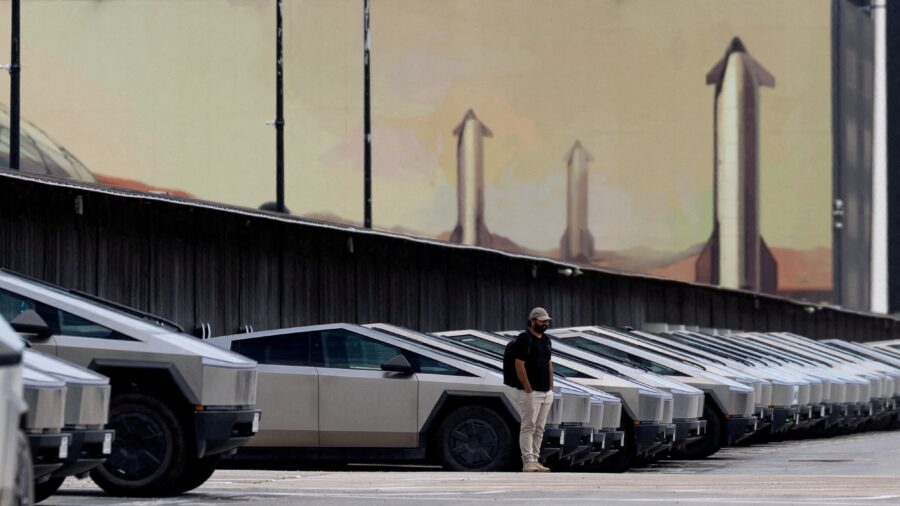
Elon Musk announced Tuesday that SpaceX and Tesla are exploring a potential merger. The two companies, which serve as the primary pillars of Musk’s business portfolio, could combine to form a massive conglomerate with an estimated valuation of $4 trillion.
Key Takeaways
- Potential valuation: A combined entity would reach an estimated market value of $4 trillion.
- Diverse portfolio: The merger would integrate technologies including electric vehicles, robotics, artificial intelligence, battery storage, and satellite communications.
- Strategic integration: The move aims to consolidate assets ranging from microchips and social media platforms to aerospace engineering.
- Unconventional approach: Musk acknowledges the plan challenges standard financial logic, consistent with his previous business strategies.
Scope of the Proposed Merger
The proposed deal involves integrating a wide array of specialized industries under a single corporate structure. SpaceX, primarily focused on aerospace and satellite networks, would join forces with Tesla, a company centered on electric vehicle manufacturing, battery technology, and robotics. Musk indicated that the combination would also encompass his broader interests, including social media platforms and microchip development.
While traditional financial models typically discourage such diversification within a single corporate entity, Musk has signaled his intent to proceed with the evaluation. The consolidation would represent one of the largest corporate mergers in history, though no timeline or formal agreement has been finalized.
Why it matters: This potential merger represents a significant shift in corporate structure for two of the world’s most influential technology companies. For global markets, consolidating critical infrastructure—such as satellite communications and energy storage—under one entity could reshape competition in the tech and automotive sectors, creating a singular conglomerate with unprecedented control over multiple advanced industries.
 Egypt
 Saudi Arabia
 UAE
 Spain
 United Kingdom
 United States
 China
 India