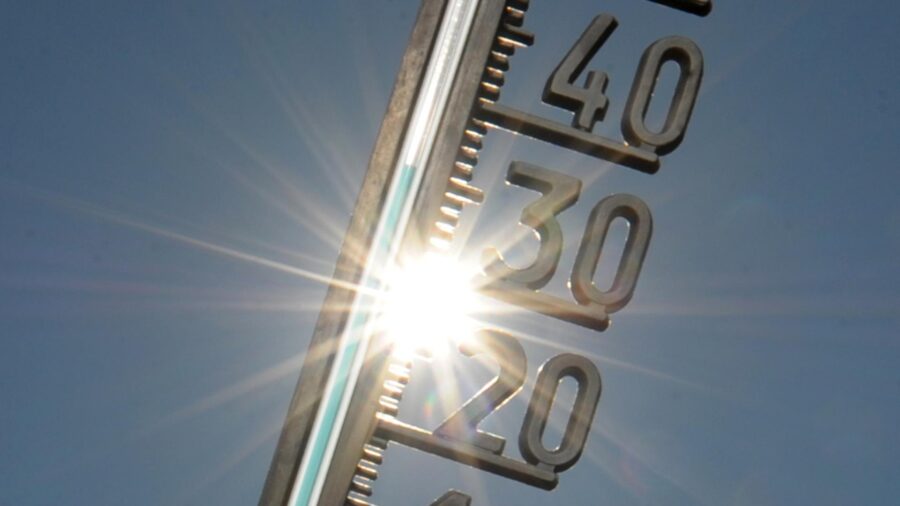
Europe recorded its highest number of heat-related fatalities in history during the summer of 2026, according to a new analysis conducted by British researchers. The findings suggest the continent is facing increasingly severe consequences linked to rising global temperatures.
Key Findings on 2026 Heat Mortality
- Record-breaking toll: Approximately 50,000 deaths were attributed to extreme heat across the European continent during the summer months.
- Historical comparison: The 2026 figures mark the highest number of heat-related deaths recorded since data collection began in the region.
- Climate connection: Researchers state the mortality data reflects the accelerating impacts of human-induced climate change.
- Scientific attribution: The analysis links the spike in fatalities directly to the broader trends of global warming.
Context of the Analysis
The study provides quantitative evidence regarding the health impacts of extreme weather events in Europe. While heatwaves have historically affected the continent, the 2026 data indicates a significant shift in the scale of human impact. Experts involved in the analysis emphasize that the patterns observed during the summer months align with projections regarding the effects of a warming planet.
The data highlights the vulnerability of European populations to prolonged periods of high temperatures. Public health officials and climate scientists have increasingly monitored these trends as part of ongoing efforts to understand the relationship between environmental shifts and mortality rates.
Why it matters: This analysis underscores the growing public health risks associated with climate change in Europe. As extreme weather events become more frequent, the data provides a critical baseline for policymakers and health organizations working to develop adaptation strategies and mitigate the human cost of rising global temperatures.
 Egypt
 Saudi Arabia
 UAE
 Spain
 United Kingdom
 United States
 China
 India