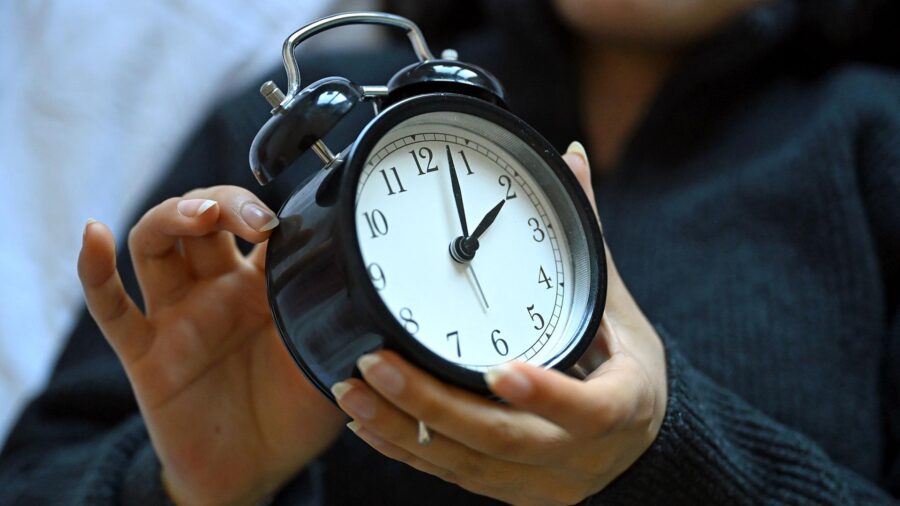
Daylight saving time is ending, requiring residents to adjust their clocks. The shift marks the return to standard time, a process that occurs regularly across the region.
3:00 a.m. Sunday
At 3:00 a.m., clocks will be turned back one hour. This adjustment effectively returns the time to 2:00 a.m., granting an additional hour of sleep during the night. While the immediate effect allows for a longer night, the practice of changing clocks remains a subject of public debate.
Public Sentiment
Public opinion regarding the time change remains divided. Many individuals express dissatisfaction with the biannual adjustment, citing the disruption it causes to daily routines. Despite the convenience of the extra hour of rest on the first night, the broader impact of the time shift continues to draw criticism from the general population.
Current Status
The transition to standard time is now underway. Residents are advised to manually adjust any timekeeping devices that do not update automatically. The change will remain in effect until the next scheduled adjustment.
Why it matters: The end of daylight saving time affects daily schedules, transportation, and energy consumption patterns. For regions that observe these changes, the biannual shift often sparks discussions about productivity and the necessity of maintaining the practice, reflecting broader concerns about how time-keeping policies impact the quality of life for the general public.
 Egypt
 Saudi Arabia
 UAE
 Spain
 United Kingdom
 United States
 China
 India
