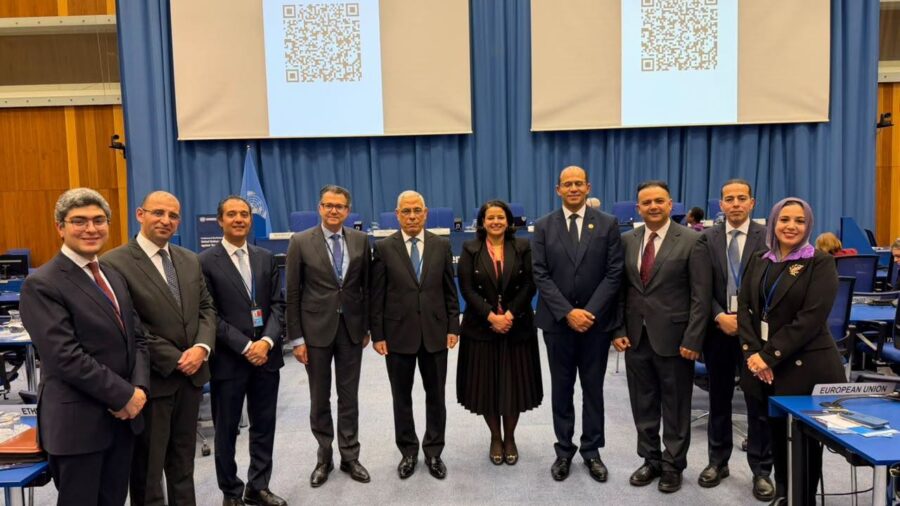
Parties to the UN Convention against Transnational Organized Crime have unanimously adopted a resolution aimed at dismantling networks involved in the illicit trafficking of cultural property. The measure, sponsored by Egypt, seeks to strengthen international legal frameworks to disrupt the financial flows supporting these criminal operations.
During the 13th Conference of the Parties
The resolution was adopted in Vienna during the 13th Conference of the Parties. Egypt’s delegation was led by Prosecutor General Mohamed Shawky, with the proposal developed through collaboration between the Egyptian Foreign Ministry, the Ministry of Justice, and the Public Prosecution office.
Focus on Criminal Networks
The adopted measure expands the scope of enforcement efforts beyond the recovery of stolen artifacts. It targets the broader criminal syndicates and financial systems that facilitate the trade. The text emphasizes the need for member states to improve national investigative procedures and expedite international cooperation. It explicitly links cultural property trafficking to broader criminal activities, including money laundering, terrorism, and the financing of terrorist groups.
Collaboration and Enforcement
The resolution highlights the role of the UN Office on Drugs and Crime in assisting member states. It encourages closer partnerships with international bodies such as UNESCO and Interpol to prosecute those profiting from the illicit trade. Egyptian Ambassador Mohamed Nasr stated that the trafficking of cultural property is not merely a financial crime, as it threatens the historical identity and cultural continuity of societies.
Current Status
With this unanimous adoption, member states are now tasked with implementing stronger national measures to investigate and prosecute trafficking networks. The resolution serves as a framework to integrate cultural heritage protection into broader transnational crime prevention strategies.
 Egypt
 Saudi Arabia
 UAE
 Spain
 United Kingdom
 United States
 China
 India
