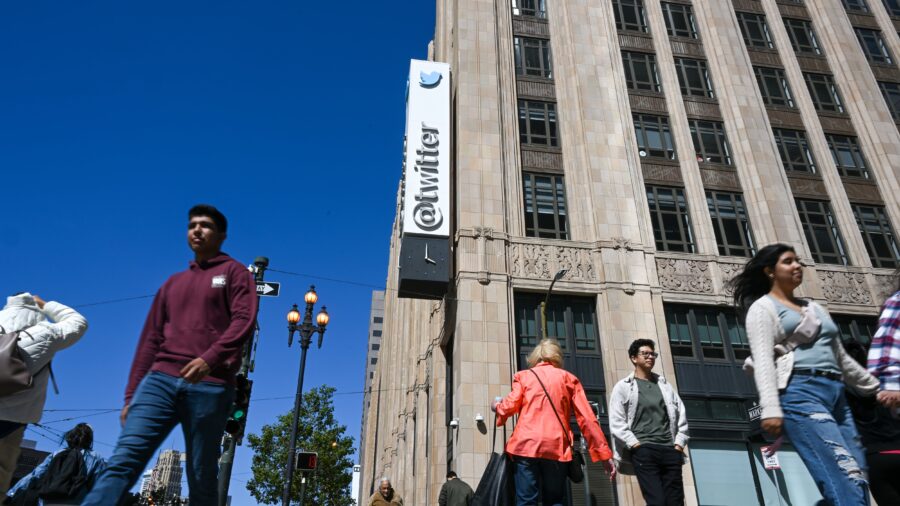
A brand often begins in a boardroom and grows through packaging, advertising, and retail displays. While some logos remain in consumer memory for decades, even famous trademarks are not permanent assets. Companies face the risk of losing valuable intellectual property if they stop using a trademark or fail to prove its presence in the market.
The Phenomenon of Ghost Brands
Trademarks that are renewed but lack real commercial activity are known as “ghost brands.” While there is no definitive data on how many exist, cancellation figures provide an indication of the scale. According to Álvaro Pérez Lluna, a lawyer and partner at Demarks, between 1,300 and 1,500 European Union trademarks are canceled annually due to expiration. In Spain, the figure ranges between 160 and 200 trademarks per year.
Legal protections for these assets operate on a silent countdown. If a company fails to maintain active use, it loses the legal shield that protects it from competitors. Once that protection lapses, other companies may move to claim or exploit the space left behind.
New Procedures for Trademark Cancellation
The process for challenging inactive brands has become more accessible in some jurisdictions. Since January 2023, parties seeking to cancel a trademark due to lack of use in Spain can file requests directly with the Spanish Patent and Trademark Office, according to Óscar García, a partner at Balder. Previously, such disputes required intervention through the court system.
Why it matters: This trend highlights the vulnerability of intellectual property assets in a competitive global market. For businesses, particularly those expanding or operating in the Middle East and Egypt, understanding trademark laws is essential to protecting market share. Failing to demonstrate active commercial use can lead to the loss of valuable brand equity, allowing competitors to capitalize on abandoned or underutilized trademarks.
 Egypt
 Saudi Arabia
 UAE
 Spain
 United Kingdom
 United States
 China
 India
