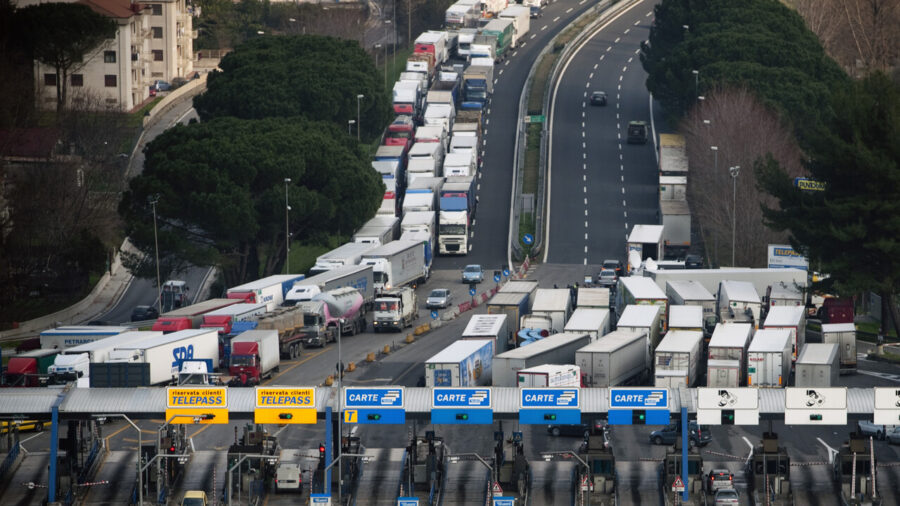
The European Union has finalized new regulations regarding road user charges, known as the Eurovignette. The updated rules include provisions to exempt zero-emission heavy-duty vehicles, such as trucks and buses, from toll payments until 2031.
The Eurovignette Agreement
The European Council and Parliament reached a final agreement on the regulatory framework. This legislation aims to modernize road charging across the bloc, shifting from time-based vignettes to distance-based tolling systems. Member states are encouraged to implement these changes to reflect the actual usage of road infrastructure by heavy vehicles.
Exemption Timeline
Under the new policy, trucks and buses classified as zero-emission will be exempt from road tolls. This incentive is scheduled to remain in effect until 2031. The measure is designed to accelerate the transition toward greener commercial transport within the European Union by reducing operational costs for operators who switch to electric or hydrogen-powered fleets.
Trailer Impact Assessment
Regulators have deferred decisions regarding the inclusion of trailer impact in future toll calculations. The assessment of how trailers contribute to road wear and infrastructure costs has been postponed until 2029. Authorities stated that further data collection is required before integrating these specific metrics into the broader Eurovignette charging structure.
Current Status of EU Road Charging
The approved regulations establish a long-term roadmap for road infrastructure financing within the EU. While zero-emission vehicles receive immediate toll relief, the broader implementation of distance-based charging and the inclusion of trailer impacts remain scheduled for later in the decade.
Why it matters: This policy shift creates a significant economic incentive for logistics companies operating in Europe to decarbonize their fleets. For international trade partners, including those in the Middle East and Egypt, these changes signal a long-term European commitment to green supply chains, potentially influencing future vehicle standards and logistics requirements for goods imported into the EU market.
 Egypt
 Saudi Arabia
 UAE
 Spain
 United Kingdom
 United States
 China
 India
