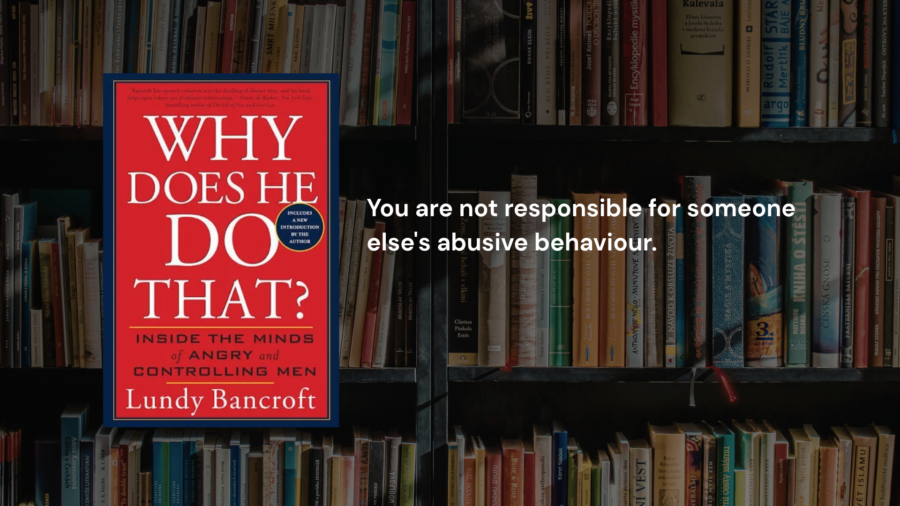
When a partner claims to offer love while simultaneously inducing fear, guilt, or feelings of unworthiness, the dynamic may signal a deeper pattern of control. In his book, Why Does He Do That? Inside the Minds of Angry and Controlling Men, author Lundy Bancroft examines the mechanisms behind abusive behavior, suggesting that such actions often stem from deeply held beliefs about power and entitlement rather than simple anger.
The Mechanics of Control
Bancroft, who draws on his professional experience working with abusive men, argues that abuse frequently functions as a tool for maintaining dominance. According to the text, controlling behavior often extends beyond physical violence to include emotional manipulation, intimidation, and coercive control. This can manifest through the monitoring of daily activities, the restriction of friendships, and the exertion of control over financial resources.
These actions, Bancroft writes, are deliberate attempts to undermine a partner’s independence. He emphasizes that a healthy relationship relies on mutual respect, where neither person is required to surrender their freedom or sense of self.
Evaluating Change and Responsibility
A central challenge for those in abusive relationships is interpreting apologies. Bancroft cautions against relying on promises of change, noting that harmful behavior often resumes once a partner feels secure. Genuine change, he asserts, requires more than expressions of regret; it necessitates accountability, the acknowledgment of harm, and consistent behavioral shifts over an extended period.
Furthermore, the author addresses the tendency of victims to accept blame for their partner’s actions. Bancroft posits that abusive behavior is a choice made by the perpetrator, not a consequence of the partner’s imperfections or mistakes. He writes that while conflict is a normal part of any relationship, it remains distinct from the systematic patterns of control and manipulation.
 Egypt
 Saudi Arabia
 UAE
 Spain
 United Kingdom
 United States
 China
 India
