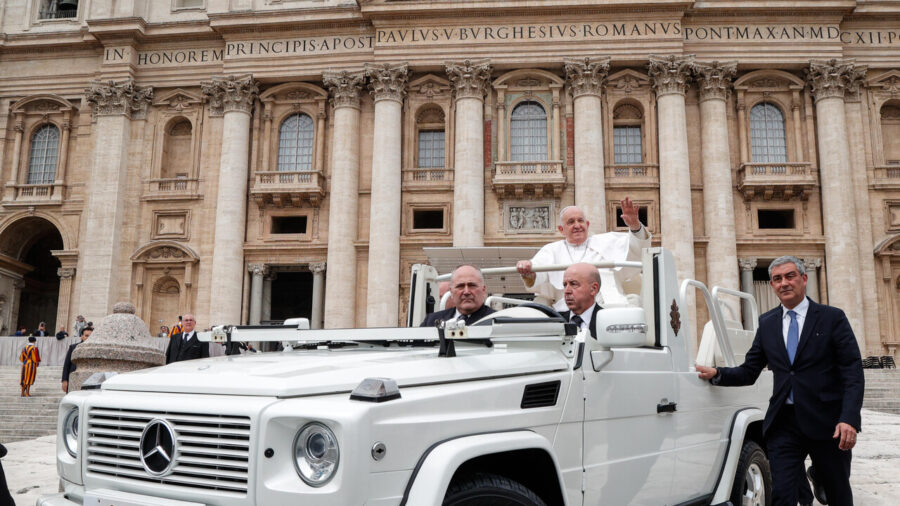
The Vatican is launching an exhibition dedicated to the evolution of the popemobile, documenting the changing transport methods used by the papacy over the last century. The display highlights the technological and security shifts that have defined papal mobility since the early 20th century.
1930
The history of the popemobile began in 1930, when the Vatican received its first major automotive gift. Pope Pius XI was presented with a Mercedes-Benz Nürburg 460. This vehicle marked the beginning of a long-standing relationship between the Catholic Church and automotive manufacturers, setting the precedent for the specialized vehicles that would follow.
Evolution of Transport
Following the initial donation, the vehicles used by popes evolved to meet changing needs regarding safety, public visibility, and accessibility during papal travels. The exhibition showcases how these machines transitioned from standard luxury cars to the highly modified, secure vehicles recognized globally today. Curators have assembled a collection that illustrates not just the mechanics of the vehicles, but the changing role of the papacy in the modern world.
Current Status
The exhibition serves as a historical record of papal transport, offering visitors a detailed look at the engineering and design choices that have accompanied the Vatican’s leaders for decades. It underscores the intersection of religious tradition and modern technology, reflecting how the Church has adapted its public presence over the last hundred years.
Why it matters: This exhibition provides a unique historical perspective on the Vatican’s public outreach. For observers in the Middle East and globally, it highlights the enduring symbolic and practical importance of papal mobility in bridging the gap between religious leadership and the public.
 Egypt
 Saudi Arabia
 UAE
 Spain
 United Kingdom
 United States
 China
 India
