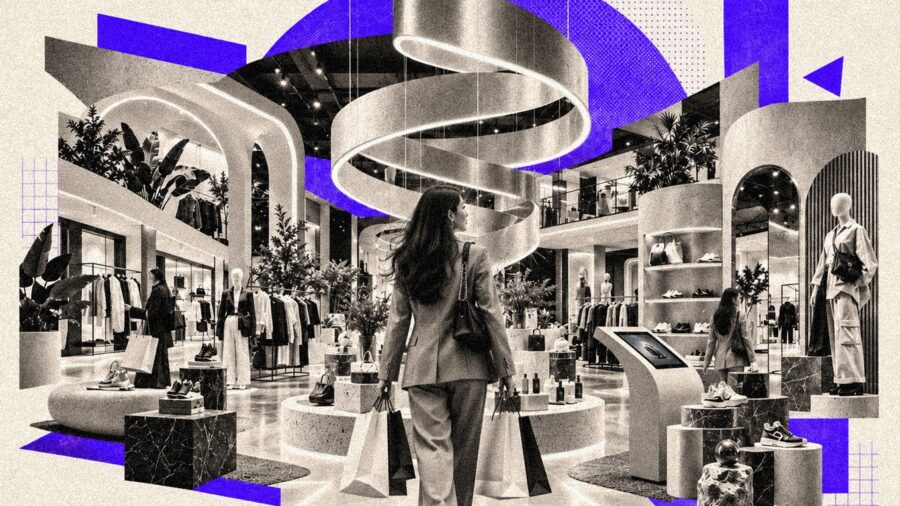
Direct-to-consumer (D2C) brands are increasingly moving away from traditional retail layouts, opting instead for experiential storefronts designed to immerse customers in brand identity. Companies such as Comet, Gully Labs, and Nothing are utilizing unconventional architecture and curated displays to differentiate themselves from standard showrooms, aiming to encourage visits in an era dominated by online shopping.
Key Takeaways
- Shift in strategy: Modern retail is moving beyond simple product shelves toward immersive environments that prioritize brand storytelling over transaction volume.
- Creative design: Brands like Comet are utilizing architectural features, such as simulated crash sites, to build distinct physical identities that mirror their digital presence.
- Curated inventory: Newer retail models often feature limited product displays and concealed storage, reducing clutter and focusing on a premium, museum-like presentation.
- Community building: By creating spaces that encourage lingering, brands aim to foster deeper connections with customers who can already purchase items via mobile devices.
- Economic balance: Companies now face the challenge of reconciling the high costs of elaborate store designs with the need for sustainable unit economics.
The Evolution of the Storefront
For decades, retail design followed a standard formula: shelves filled with inventory, promotional displays, and layouts optimized to funnel shoppers toward checkout counters. While effective for volume, analysts note this approach often fails to provide a compelling reason for customers to visit a physical location when online alternatives are readily available. Modern D2C brands are attempting to reverse this trend by treating stores as extensions of brand culture rather than mere distribution points.
 Egypt
 Saudi Arabia
 UAE
 Spain
 United Kingdom
 United States
 China
 India
