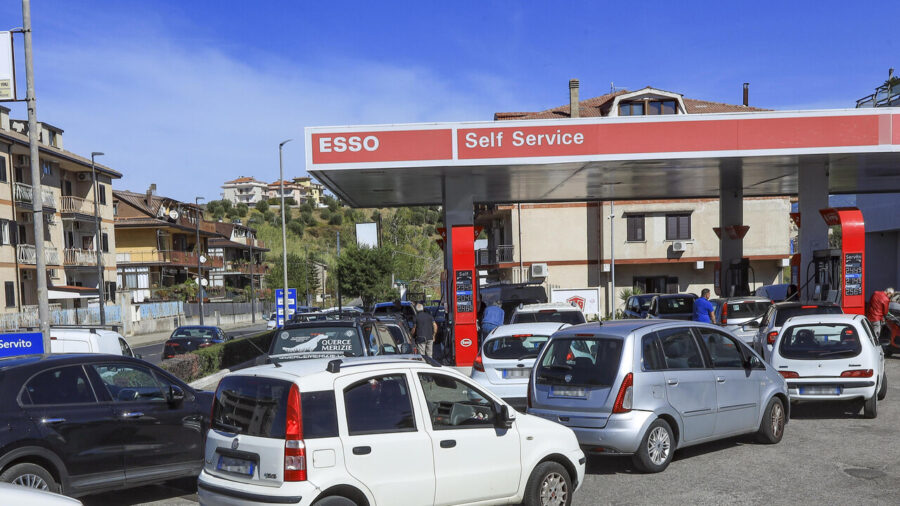
The European Commission is evaluating a request from Italy to utilize Common Agricultural Policy (CAP) funds to mitigate the impact of rising fuel prices on the farming sector. Agriculture Commissioner Christophe Hansen confirmed that the EU executive body is reviewing the proposal, specifically examining the legal implications of such a reallocation.
The Italian government has sought authorization to redirect portions of the CAP budget to assist farmers struggling with high energy and fuel costs. These costs have placed significant pressure on agricultural production across Europe, prompting member states to seek flexible solutions within existing EU frameworks.
Legal and Regulatory Review
Commissioner Hansen stated that the Commission has formally acknowledged Italy’s request. Officials are now conducting a thorough assessment to determine if current regulations permit the use of these agricultural subsidies to address fuel price volatility.
The CAP budget is strictly governed by multi-year regulations, and any deviation or repurposing of these funds requires careful legal scrutiny. The Commission must ensure that any adjustments align with the primary objectives of the CAP, which include supporting sustainable farming practices and ensuring food security across the bloc.
Scope of the Request
While specific details regarding the amount of funding requested or the precise mechanism for distribution remain under review, the Italian proposal reflects broader concerns among EU member states regarding inflationary pressures. The Commission’s legal teams are currently analyzing whether existing crisis management tools within the CAP can be adapted to cover energy-related expenses for agricultural producers.
Why it matters: This development is significant for the broader Mediterranean agricultural sector, which faces unique challenges from rising input costs. For Italy and similar economies, securing flexibility in EU funding could provide immediate relief to farmers, potentially stabilizing food prices and protecting the viability of rural economies against volatile global energy markets.
 Egypt
 Saudi Arabia
 UAE
 Spain
 United Kingdom
 United States
 China
 India
