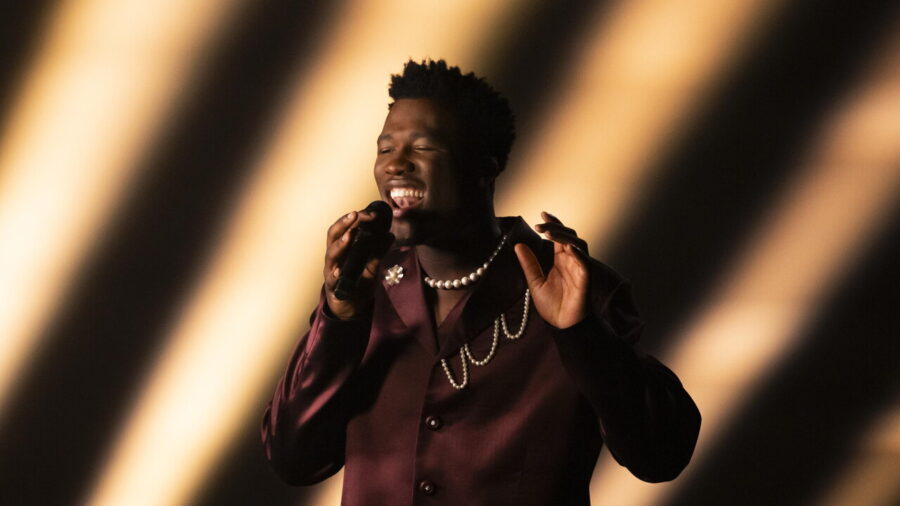
The Netherlands will not participate in the upcoming Eurovision Song Contest, citing ongoing tensions related to Israel’s involvement in the competition. The decision marks a significant departure for the Dutch broadcaster, NPO, which announced the withdrawal amid growing controversy.
Broadcaster cites internal conflict
NPO officials stated that the country’s participation has generated conflicting reactions among the public and within the organization. While the broadcaster did not provide a specific breakdown of the internal deliberations, it emphasized that the climate surrounding the event made continued involvement untenable. The announcement follows weeks of speculation regarding how various nations would handle the participation of Israel during the ongoing conflict in Gaza.
Impact on the competition
The Eurovision Song Contest has long aimed to remain apolitical, yet the event frequently becomes a flashpoint for international disputes. By withdrawing, the Netherlands joins a list of countries where public or political pressure has influenced decisions regarding the contest. The European Broadcasting Union (EBU), which organizes the competition, typically requires participating nations to adhere to strict guidelines regarding political neutrality. However, the EBU has faced mounting pressure from activists and some participating artists who have called for Israel’s exclusion from the 2024 event.
Organizers have not yet detailed how the Dutch withdrawal will affect the final lineup or the broadcast schedule for the semi-finals and grand final. Past withdrawals have occasionally led to adjustments in the voting structure or the number of acts performing on stage.
Why it matters: This withdrawal highlights the increasing difficulty of insulating international cultural events from geopolitical conflicts. For audiences in the Middle East and beyond, the decision reflects how deeply the war in Gaza is influencing global diplomatic and cultural participation, forcing institutions to balance artistic mandates against intense public scrutiny.
 Egypt
 Saudi Arabia
 UAE
 Spain
 United Kingdom
 United States
 China
 India
