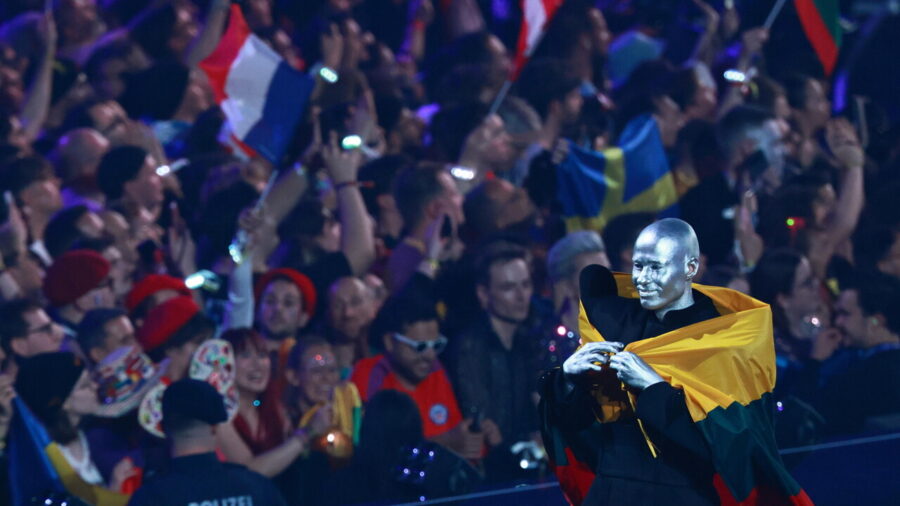
Martin Green, the director of the Eurovision Song Contest, stated that the annual event serves as a platform to bring audiences together through music. Green emphasized that the contest has historically functioned as more than just a musical competition.
The Cultural Impact of Eurovision
Green’s comments highlight the contest’s broader significance beyond its competitive format. While the event is primarily known for performances from artists representing various nations, organizers view it as a cultural bridge. By focusing on shared musical experiences, the contest aims to foster connection among diverse international viewers.
The competition has maintained this role for decades, often evolving to reflect contemporary social and cultural themes. Organizers consistently stress that the primary objective extends beyond crowning a winner. Instead, the focus remains on the collaborative nature of the production and the engagement of global audiences who participate in the viewing experience.
Looking Ahead
As the Eurovision Song Contest continues to operate, the organization maintains its commitment to its foundational principles. The director’s remarks suggest that future iterations of the competition will prioritize this mission of unity and audience connection, ensuring the event remains a fixture in international cultural programming.
Why it matters: Eurovision remains one of the few global platforms that consistently draws millions of viewers across borders. Understanding its focus on unity provides context for how major international events attempt to navigate cultural and political divisions through entertainment and shared media experiences.
 Egypt
 Saudi Arabia
 UAE
 Spain
 United Kingdom
 United States
 China
 India
