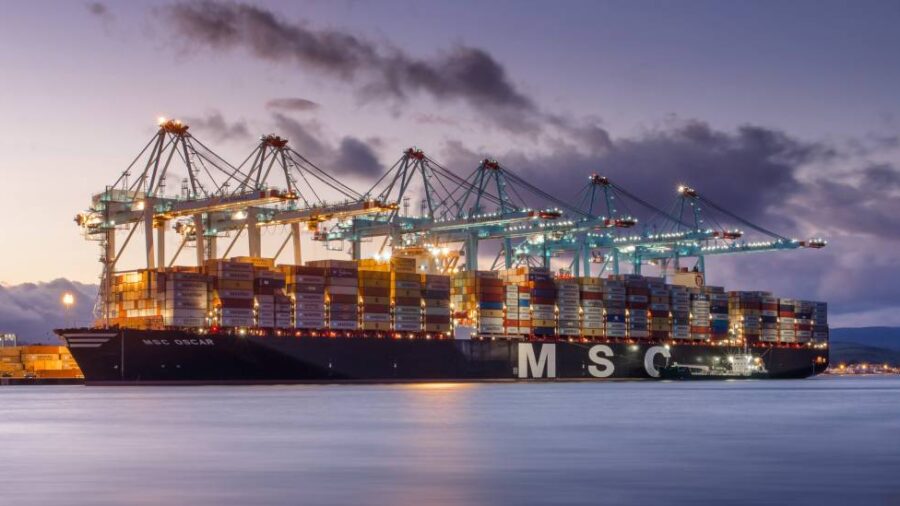
Global shipping companies are reporting a 75% increase in average profits per vessel this year as heightened geopolitical tensions disrupt international trade routes. The instability in the Strait of Hormuz has forced carriers to adopt longer shipping paths, tightening vessel availability and driving transportation costs to record highs.
The Impact of Regional Instability
Tensions involving Iran have created significant volatility in the global maritime sector. The effective blockage of the Strait of Hormuz has compelled shipping operators to reroute vessels, extending transit times. This reduction in available fleet capacity, combined with security concerns, has pushed the cost of transporting goods and energy resources to unprecedented levels.
Financial Gains for Shipping Firms
The shipping industry is currently experiencing a period of substantial financial growth. Average shipping revenues are up 75% compared to the previous year and currently sit 92% higher than the ten-year historical average. A small number of dominant firms control the majority of this market. Consequently, the share prices of publicly traded shipping companies have more than doubled in value during this period.
Current Market Status
The maritime industry remains in a state of flux as companies navigate the logistical and security challenges posed by the situation in the Strait of Hormuz. While the disruption has caused widespread economic strain, a select group of major shipping entities continues to record historic profit margins.
Why it matters: The disruption at the Strait of Hormuz is critical for the Middle East and global energy markets. As a vital chokepoint for oil and gas transport, any blockage forces longer, costlier routes that directly inflate energy prices and impact the economies of nations reliant on maritime trade through these waters.
 Egypt
 Saudi Arabia
 UAE
 Spain
 United Kingdom
 United States
 China
 India
