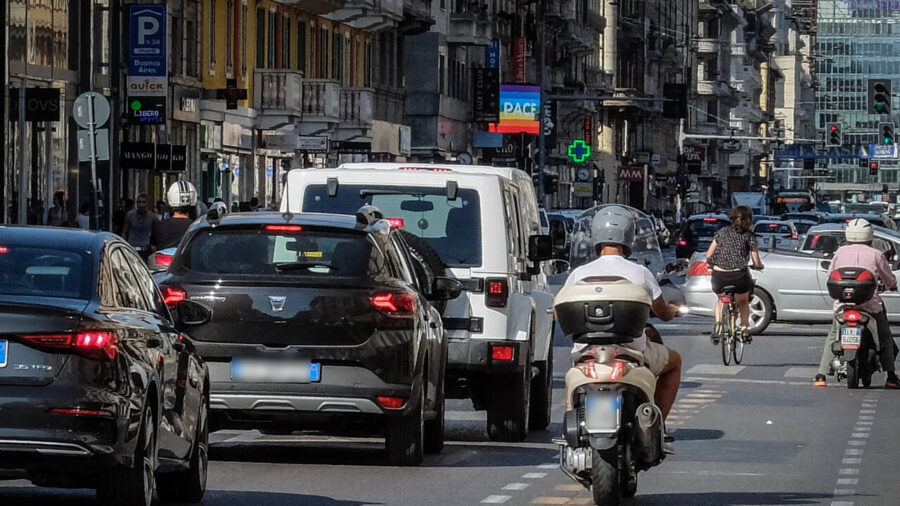
A commuter sits idle in gridlocked traffic, watching the minutes tick away on the dashboard clock. This daily frustration is a recurring reality for millions of Italians, contributing to a massive economic drain on the country. New data indicates that traffic congestion costs Italy approximately 22 billion euros every year.
The Economic and Urban Impact
The financial burden stems largely from lost productivity and wasted fuel. According to the figures, urban areas bear the brunt of this inefficiency. Approximately 80 percent of the total time lost to traffic occurs within city limits, where stop-and-go conditions are most severe.
The data highlights the concentration of these delays in metropolitan centers, where infrastructure struggles to keep pace with vehicle volume. While the national economy absorbs the multi-billion euro hit, the daily experience for drivers remains one of stalled movement and delayed commutes.
Addressing the Bottlenecks
Transportation analysts suggest that addressing these urban bottlenecks is essential to reclaiming lost economic value. Potential solutions typically involve optimizing traffic flow, improving public transit alternatives, and incentivizing non-vehicular commuting options. As urban populations continue to grow, the pressure on existing road networks is expected to intensify without intervention.
Why it matters: This economic loss underscores the critical need for infrastructure investment in developed nations. For countries in the Middle East and Egypt, where rapid urbanization and traffic congestion are major policy challenges, Italy’s experience serves as a case study on the high cost of inefficient transit systems.
 Egypt
 Saudi Arabia
 UAE
 Spain
 United Kingdom
 United States
 China
 India
