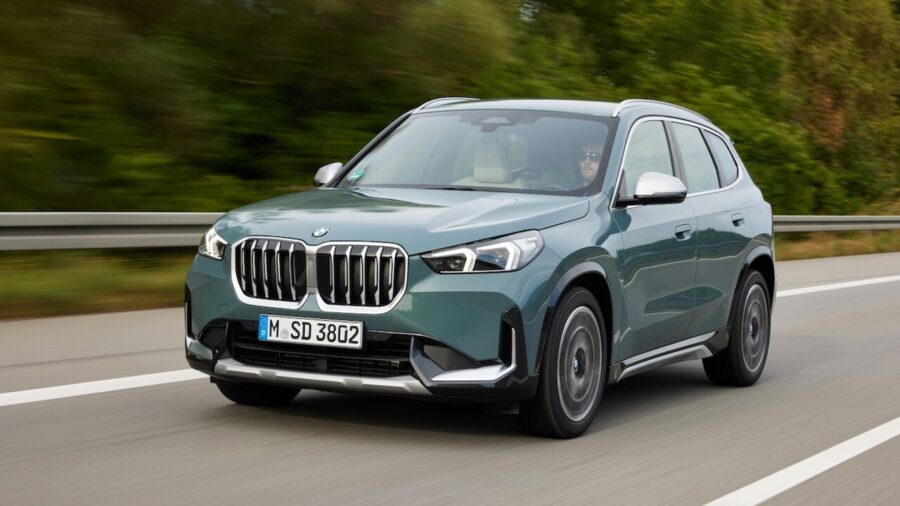
BMW Group is actively testing sustainable fuels for use in both diesel and gasoline internal combustion engines. The German automaker has launched two distinct projects aimed at evaluating the performance and compatibility of these alternative fuels with its existing powertrain technologies.
Expanding Powertrain Options
The company confirmed its commitment to these initiatives as part of a broader strategy to lower carbon emissions across its global fleet. While BMW continues to invest heavily in battery-electric vehicles, the development of sustainable fuels represents a parallel effort to address the environmental impact of vehicles already on the road and those that will continue to rely on traditional engine architectures.
These projects focus on synthetic fuels, often referred to as e-fuels, and biofuels. Unlike fossil fuels, these alternatives are designed to be carbon-neutral or significantly lower in emissions, depending on the production method. BMW engineers are analyzing how these fuels interact with engine components to ensure longevity and operational efficiency.
Industry Context
The automotive industry is currently navigating a transition toward electrification, driven by increasingly stringent emission regulations in Europe and other major markets. However, the use of sustainable fuels is seen by some manufacturers as a necessary bridge technology.
- Sustainable fuels can utilize existing fueling infrastructure.
- The technology allows for the decarbonization of the legacy vehicle fleet.
- BMW aims to diversify its technological approach beyond pure electrification.
By exploring these options, the manufacturer seeks to provide solutions for markets where charging infrastructure development may lag or where specific use cases require the energy density of liquid fuels.
 Egypt
 Saudi Arabia
 UAE
 Spain
 United Kingdom
 United States
 China
 India
