Water Management Strategies
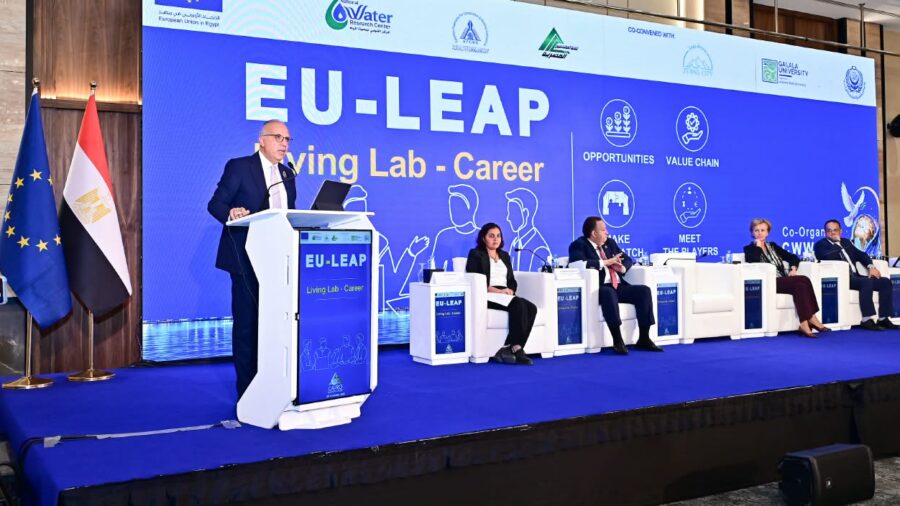
Egypt’s per-capita water availability has fallen to approximately 472 cubic metres annually, according to Water Resources and Irrigation Minister Hani Sewilam. Speaking at the ninth Cairo Water Week, Sewilam highlighted the urgency of the situation as the nation relies on the Nile for more than 98% of its freshwater.
To address the scarcity, the ministry is expanding smart irrigation applications. This initiative, conducted in partnership with the Spanish Agency for International Development Cooperation, currently operates in five regions across the Nile Delta and Upper Egypt. The ministry is also researching desalination technologies powered by renewable energy, aiming to repurpose brine waste for economic use. Officials stated that these projects provide openings for private startups and researchers specializing in artificial intelligence, data analysis, and remote sensing.
The ministry is drafting guidelines to facilitate private-sector participation in these water projects. These regulations aim to define responsibilities and ensure that investments align with state priorities.
Protecting the Mediterranean Coast
Beyond freshwater management, the government is focusing on the vulnerability of the 1,200-kilometre Mediterranean coastline. The Nile Delta, a critical agricultural hub, faces significant risks from sea-level rise, including flooding, erosion, and saltwater intrusion into groundwater aquifers.
The Shore Protection Authority has already implemented 69 kilometres of protection works, valued at over EGP 21 billion. Moving forward, Minister Sewilam is calling on international partners to help design and finance an electronic monitoring network to track saltwater intrusion along the coast. This system is intended to provide data for the integrated coastal zone management plan, which assesses environmental risks through the year 2100.
 Egypt
 Saudi Arabia
 UAE
 Spain
 United Kingdom
 United States
 China
 India
