Bridging Artistic Traditions
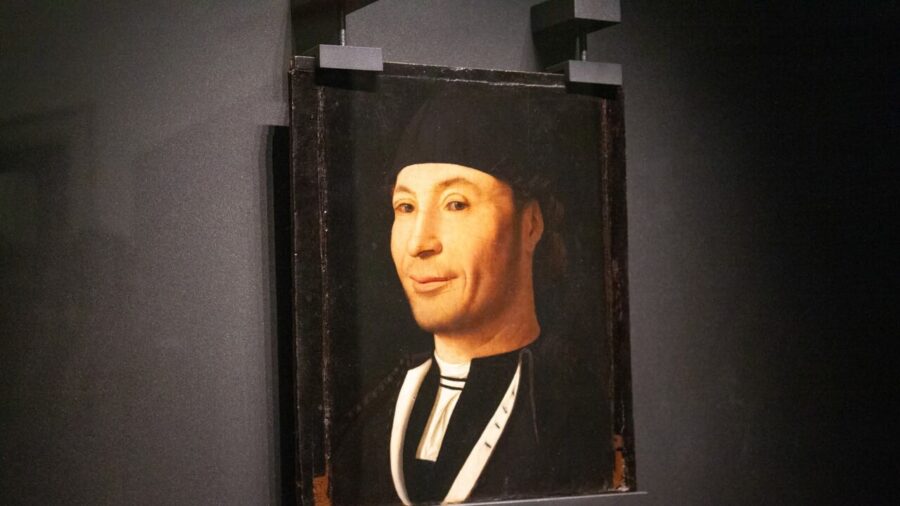
The Italian Senate has hosted an initiative focused on a dual-city exhibition centered on the works of Renaissance master Antonello da Messina. The event highlights the “Enigma of the Smile,” a thematic exploration of the artist’s famous portraiture technique, currently being showcased across locations in Cefalù and Turin.
Antonello da Messina, a 15th-century painter from Sicily, is widely recognized for his ability to blend the precision of Flemish oil painting with the structural clarity of the Italian Renaissance. The current exhibition aims to analyze his specific approach to human expression, particularly the subtle, mysterious smiles captured in his portrait subjects. Organizers note that by placing these works in dialogue between Sicily and Piedmont, the initiative seeks to emphasize the artist’s influence on Italian cultural heritage.
The Cultural Significance
The presentation at the Senate drew attention to the logistical and artistic effort required to curate a show that spans the length of the Italian peninsula. Experts speaking at the event detailed how the exhibition utilizes modern diagnostic tools to examine the brushwork and composition of the portraits. These technical analyses are intended to provide viewers with a deeper understanding of the artist’s intent and the evolution of his style over his career.
The collaborative project between Cefalù and Turin serves as a case study in how regional museums can cooperate to create larger, more cohesive narratives around historical figures. By sharing resources and research, the institutions involved hope to increase public access to these significant artworks while fostering academic discourse regarding the artist’s legacy.
Why it matters: This exhibition highlights the ongoing efforts to unify Italy’s fragmented regional cultural history through collaborative scholarship. For audiences interested in art history and Mediterranean heritage, the focus on a Sicilian master underscores the critical role Southern Italian artists played in shaping the broader European Renaissance canon.
 Egypt
 Saudi Arabia
 UAE
 Spain
 United Kingdom
 United States
 China
 India
