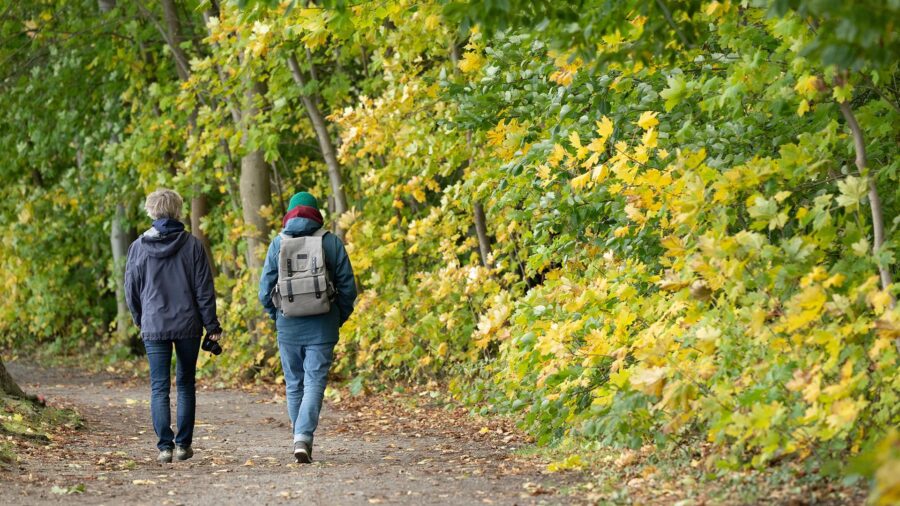
Autumn weather often brings cooler temperatures, but experts suggest it remains an optimal time for outdoor activity. Recent research indicates that incorporating regular walking into a daily routine offers measurable benefits for mental health, physical well-being, and social engagement.
The Psychological Impact of Walking
Walking serves as a accessible form of exercise that requires minimal equipment. According to studies cited by researchers, consistent movement helps regulate mood and can alleviate symptoms associated with stress. The physical act of walking promotes better overall health, contributing to improved cardiovascular function and stamina.
Beyond the physiological advantages, walking functions as a tool for community building. In various urban centers, residents have begun organizing formal walking clubs. These groups facilitate social interaction, providing participants with a structured environment to meet others while maintaining a healthy lifestyle. By combining physical activity with social connection, these clubs address isolation, a common challenge in modern urban environments.
Community Engagement and Future Trends
The trend of organized walking groups reflects a growing interest in low-impact community activities. As cities continue to develop, the availability of pedestrian-friendly spaces is increasingly correlated with public health outcomes. Experts suggest that as awareness of these benefits spreads, more municipalities may prioritize the creation of walkable infrastructure to support these social and health-focused initiatives.
Why it matters: As mental health awareness grows globally, simple, low-cost interventions like walking are gaining traction as essential public health tools. For communities in the Middle East, where urban planning is rapidly evolving, integrating pedestrian-friendly spaces could offer a sustainable method to combat rising lifestyle-related health issues and foster stronger social cohesion.
 Egypt
 Saudi Arabia
 UAE
 Spain
 United Kingdom
 United States
 China
 India
