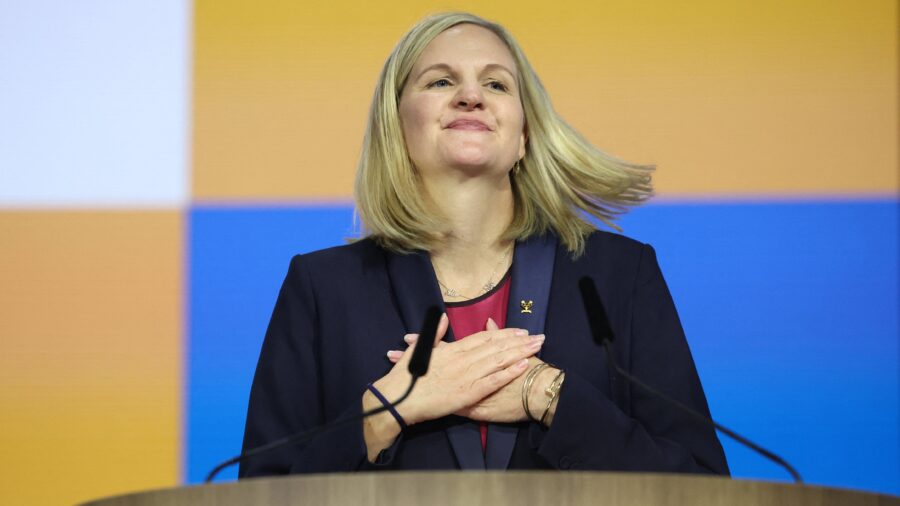
The International Olympic Committee (IOC) will eliminate 12 of its commissions as part of a restructuring initiative titled “Fit for the Future.” IOC President Kirsty Coventry announced the decision on October 16, replacing the standing bodies with flexible, temporary working groups.
Key Takeaways
- Structural shift: The IOC is dismantling 12 permanent commissions in favor of ad hoc working groups.
- Strategic rationale: Officials state the move aims to reduce bureaucracy and increase operational agility.
- Financial impact: The restructuring is expected to generate cost savings for the organization.
- Implementation timeline: The changes follow months of internal review and were finalized in mid-October.
- Operational changes: Future working groups will lack permanent status, allowing for dissolution once tasks are complete.
Restructuring and Efficiency
The transition toward temporary working groups represents a significant departure from the IOC’s traditional committee structure. According to the organization, the move is intended to streamline decision-making processes. By replacing standing commissions with ad hoc groups, the IOC aims to deploy resources more effectively based on specific project requirements rather than maintaining legacy structures.
Proponents of the plan suggest that the reduction in bureaucracy will allow the organization to respond more rapidly to global sporting developments. The IOC has framed the decision as a necessary evolution to maintain modern operational standards. While the organization cites efficiency and cost savings as primary drivers, industry observers have noted the need to monitor how this consolidation affects long-term governance and oversight within the Olympic movement.
Governance Implications
The dissolution of these 12 commissions marks a shift in how the IOC manages its internal affairs. The new, task-specific groups will be formed as needed and disbanded upon the completion of their mandates. This approach contrasts with the previous model, where commissions served as ongoing advisory bodies with fixed memberships.
 Egypt
 Saudi Arabia
 UAE
 Spain
 United Kingdom
 United States
 China
 India
