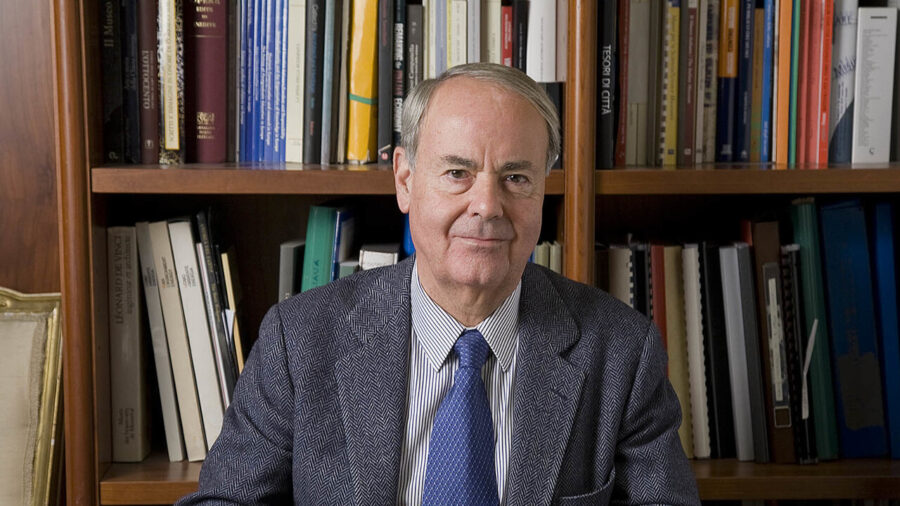
Paolo Galluzzi, a prominent historian of science and the long-time director of the Museo Galileo in Florence, has died. Galluzzi was recognized for his academic contributions at universities in Florence and Siena and for his early work in digitalizing the archives and inventions of Leonardo da Vinci.
A Career in Academia
Galluzzi held professorships at universities in both Florence and Siena. Throughout his career, he focused on the history of science, bridging the gap between classical scholarly research and modern technological applications. His academic work established him as a leading figure in the study of early scientific development.
Four Decades at the Museo Galileo
For 40 years, Galluzzi directed the Museo Galileo in Florence. During his tenure, he transformed the institution into a global hub for the study of scientific history. He was particularly noted for his initiative to digitize the works of Leonardo da Vinci, creating digital platforms that allowed scholars and the public to access the inventor’s manuscripts and technical designs remotely.
Current Status
Galluzzi’s death marks the end of a significant era for the Museo Galileo. His legacy remains tied to the digital archives he developed, which continue to serve as primary resources for researchers studying the history of technology and Leonardo da Vinci’s scientific contributions.
Why it matters: Galluzzi’s work pioneered the digital preservation of cultural heritage. His methods for cataloging and digitizing historical scientific instruments and manuscripts provide a foundational model for museums worldwide, including those in the Middle East and Egypt, where digital archiving of antiquities is increasingly vital for preservation and accessibility.
 Egypt
 Saudi Arabia
 UAE
 Spain
 United Kingdom
 United States
 China
 India
