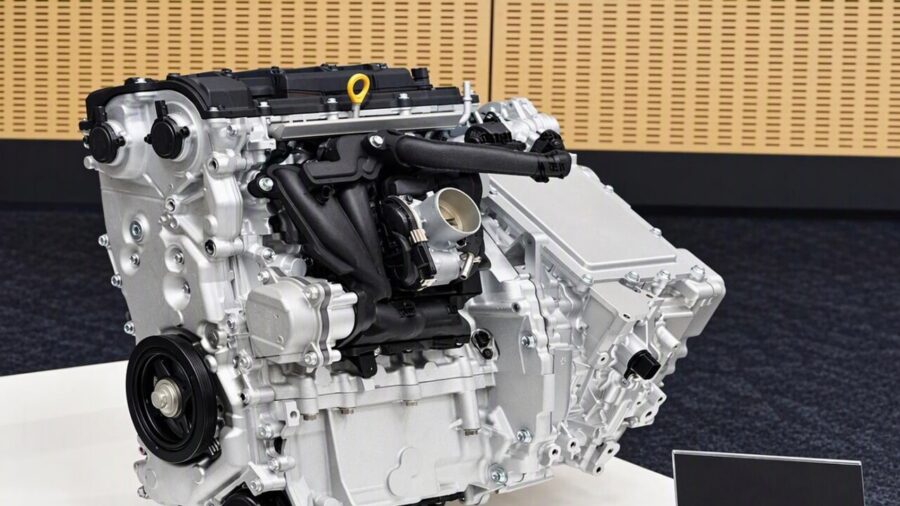
Toyota Motor Corporation has announced the development of a new generation of internal combustion engines designed specifically for hybrid vehicles. These power units aim to reduce fuel consumption by more than 15 percent compared to previous iterations, according to company statements.
Technological Advancements
The new engines feature a more compact architecture, allowing for greater flexibility in vehicle design and integration. Engineers have prioritized space efficiency to facilitate the seamless placement of battery systems and electric motors. Toyota stated that the reduction in size does not compromise power output, as the units are optimized for the specific requirements of hybrid powertrains.
Efficiency Targets
The primary objective of this development program is to achieve a double-digit percentage improvement in fuel economy. Internal testing data indicates that the new engine design will surpass a 15 percent reduction in fuel usage. This initiative aligns with the automaker’s broader strategy to lower carbon emissions across its global fleet while continuing to support hybrid technology as a primary mobility solution.
Current Status
Toyota continues to refine these engines as part of its multi-pathway approach to electrification. The company has not provided a specific release date for the first vehicles to feature these units but confirmed that development remains ongoing. The focus remains on balancing performance with strict environmental standards.
Why it matters: As the automotive industry shifts toward electrification, improving the efficiency of hybrid engines remains critical for markets where charging infrastructure is still developing. For regions like the Middle East and Egypt, where hybrid vehicles are increasingly seen as a practical transitionary technology, these advancements offer a way to reduce fuel consumption and emissions without requiring immediate, widespread changes to energy grids.
 Egypt
 Saudi Arabia
 UAE
 Spain
 United Kingdom
 United States
 China
 India
