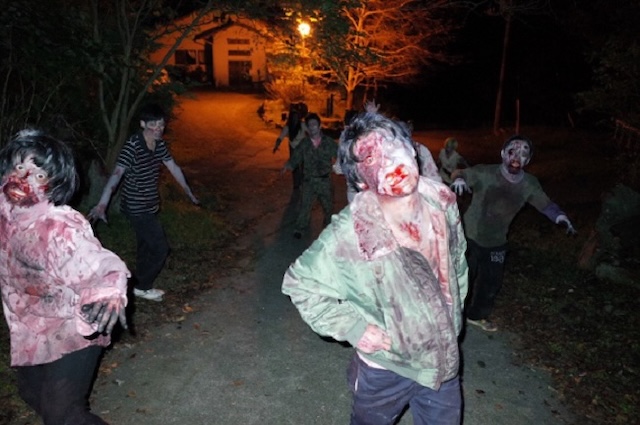
Japanese legal experts have analyzed the constitutional constraints governing the Japan Self-Defense Forces (JSDF) in the event of a theoretical zombie outbreak. The analysis suggests that military intervention against an undead threat faces significant legal hurdles due to strict operating parameters regarding the use of force.
Constitutional Constraints and Military Authority
The JSDF operates under restrictive guidelines that differ from many international military standards. Unlike other nations that grant militaries broad authority to counter threats, the JSDF requires specific legal justifications before engaging in combat operations. Legal experts note that the JSDF can be deployed for disaster relief, including evacuations and public safety measures, without significant constitutional conflict. However, these roles do not authorize the military to launch offensive assaults against zombies.
The legality of the response depends heavily on the classification of the threat. If a foreign government were to unleash an attack using zombies, the JSDF could potentially engage them as enemy combatants. However, a domestic outbreak caused by a virus or other natural source presents a complex legal scenario. If zombies are classified as living people, lethal force could be prosecuted as murder. If they are classified as deceased, shooting them could constitute the desecration of human remains.
Defining the Threat
Legal analysts suggest a potential pathway for military engagement involves reclassifying zombies. If a zombie is legally declared a corpse, it may be categorized as an object rather than a person. Under this framework, authorities could treat the threat similarly to a wild animal posing a danger to human life. In this specific interpretation, the JSDF could utilize weapons as tools to neutralize the threat, provided the action is framed as a necessary measure for public protection.
 Egypt
 Saudi Arabia
 UAE
 Spain
 United Kingdom
 United States
 China
 India
