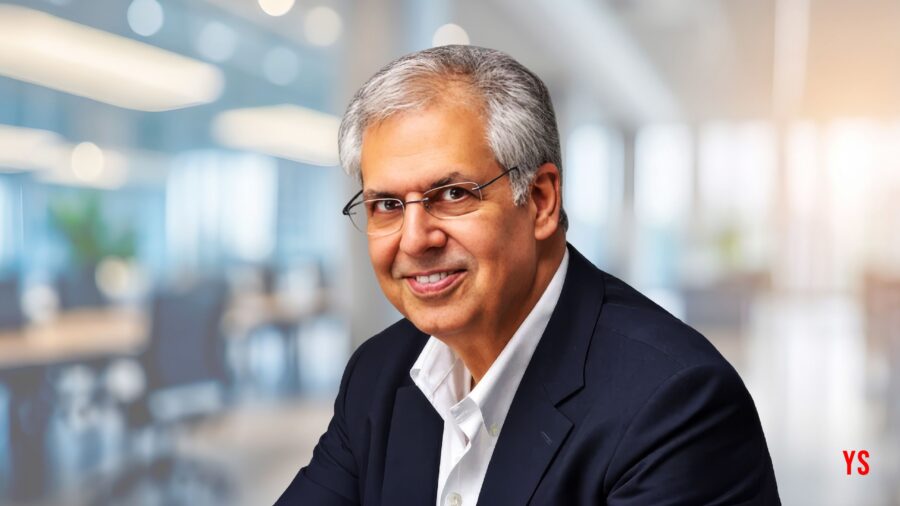
Noel Tata, chair of Tata Trusts, has written to Tata Sons seeking approval of a restructuring proposal that would merge its electronics and engineering units and avoid a mandatory stock market listing.
November 26, 2024 – Board meeting scheduled
The next Tata Sons board meeting is set for November 26, where the proposal and a funding request from Shapoorji Pallonji (SP) Group will be discussed.
November 17, 2024 – Board vote on RBI mandate
On September 17, the board voted to comply with a Reserve Bank of India (RBI) directive that requires Tata Sons to list, rejecting earlier resistance from Noel Tata’s camp.
September 26, 2024 – Trusts submit reorganisation plan
Two Tata Trusts sent a restructuring plan to the board on September 26, following an RBI letter dated September 11 that denied Tata Sons’ request for de‑registration and mandated a listing.
September 11, 2024 – RBI’s listing directive
The RBI classified Tata Sons as a core investment company, not an operating entity, and ordered it to list on the stock exchange.
Early November 2024 – Negotiations and political fallout
Noel Tata met with Tata Sons chairman N. Chandrasekaran at his South Mumbai residence, then sent a letter challenging Chandrasekaran’s reappointment. Opposition leader Rahul Gandhi later criticized the government’s role in the dispute.
Current status
Noel Tata has sent two letters to Tata Sons secretary Suprakash Mukhopadhyay, requesting that the restructuring plan and SP Group’s part‑exit be placed on the November 26 agenda. The plan would create Tata Sons Private Limited, converting the holding company into an operating firm and removing its NBFC‑CIC status, which triggers the RBI listing requirement. Adoption would still need approval from the RBI, the National Companies Law Tribunal and the Ministry of Corporate Affairs.
Why it matters: The outcome will determine whether Tata Sons remains a privately held conglomerate or becomes a listed entity, affecting governance, investor pressure and the group’s ability to make long‑term investments across India’s economy.
 Egypt
 Saudi Arabia
 UAE
 Spain
 United Kingdom
 United States
 China
 India
