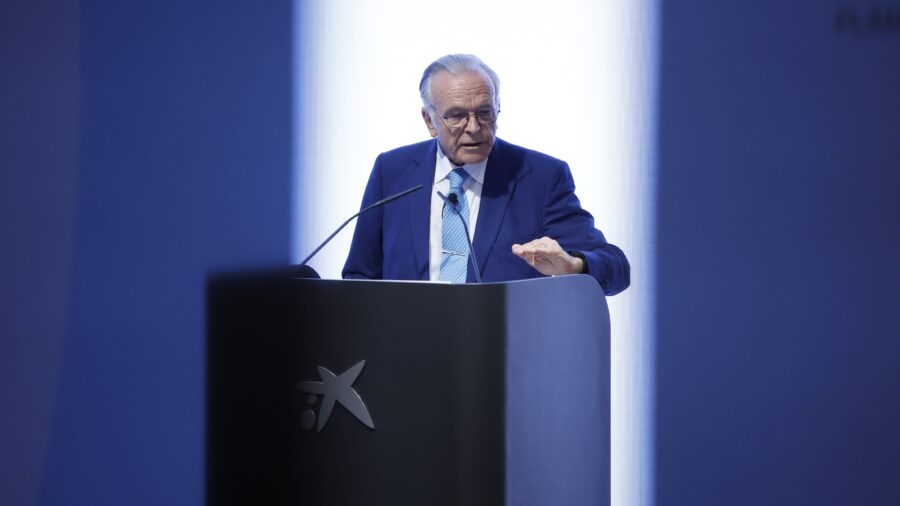
Madrid, Oct 31 (Reuters) – The Spanish government must decide by December 2027 whether to retain its double-digit share in CaixaBank or exit the investment, a deadline set by the “Expediente Caixa” legislative framework.
The stake, acquired after the 2021 merger of former Bankia into the CaixaBank group led by Isidro Fainé, stems from public funds injected to rescue the former Caja Madrid during the 2012 crisis.
Initial capital support amounted to €22.4 billion, rising above €24 billion when additional contributions to Banco Mare Nostrum (later absorbed by CaixaBank) are included. The original five‑year exit plan, agreed in 2014, was extended to 2019 and subsequently lengthened by four further two‑year extensions under Prime Minister Pedro Sánchez, the latest of which ends in 2025.
Background and extensions
The European Central Bank has advised against state ownership of private banks, but Spain has maintained the position, citing the need to recover as much of the taxpayer money as possible. Each extension has pushed the exit timeline further, allowing the state to hold a significant equity position while the bank consolidates its operations.
Analysts note that the prolonged holding period creates an anomaly in EU banking orthodoxy and raises questions about fiscal risk and market perception.
What comes next
As the 2027 deadline approaches, the government is expected to outline a concrete divestment strategy, potentially involving a public offering or a sale to private investors. The decision will affect Spain’s public finances and could set a precedent for handling similar state‑bank relationships across the Eurozone.
Why it matters: The outcome will determine how much of the €22‑24 billion public rescue money is recovered, influencing Spain’s budget and fiscal stability, and will signal the country’s compliance with EU banking norms.
 Egypt
 Saudi Arabia
 UAE
 Spain
 United Kingdom
 United States
 China
 India
