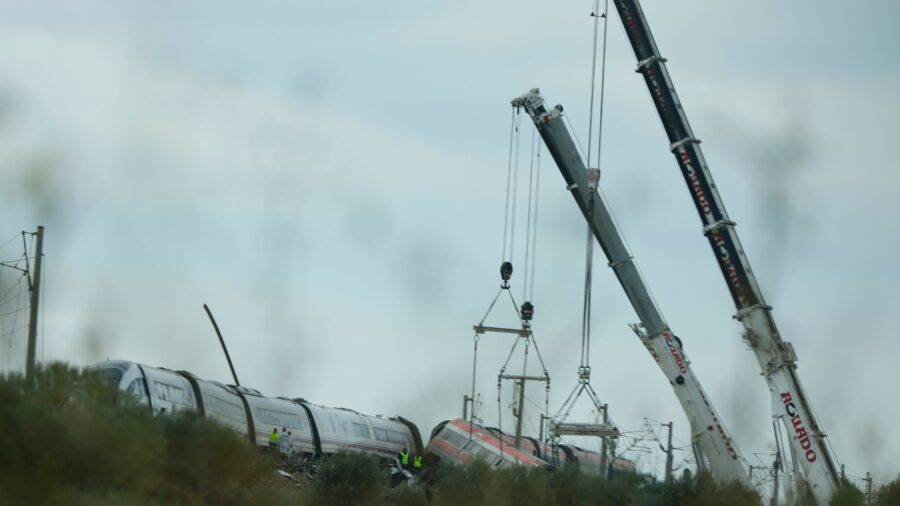
A recent train accident in Spain has reignited the debate over the influence of political decisions on technical operations. The Federation of Associations of the Senior Bodies of the State Civil Administration (Fedeca) stated that senior officials must uphold the neutrality of the administration. The organization argued that civil servants have a duty to challenge political decisions when they conflict with established legal protocols or technical standards.
Call for Professional Oversight
The Association of the Corps of Civil Engineers, Canals and Ports of the State (Aicape), a member of Fedeca, issued a formal request following the crash in Urda. The group called for an independent investigation into the accident. Furthermore, the association advocated for the increased professionalization of leadership within the railway sector to ensure safety and operational integrity.
Fedeca emphasized that high-level officials are responsible for ensuring that public administration remains independent. According to the federation, these professionals are required to intervene when political directives contradict the established guidelines and safety procedures necessary for public infrastructure management.
The debate highlights the ongoing tension between political oversight and technical expertise in government-managed sectors. As the investigation into the Urda incident continues, pressure is mounting for clearer separation between administrative decision-making and political interference to prevent future failures.
Why it matters: This incident underscores the critical importance of technical expertise in maintaining public infrastructure. For regions like the Middle East and Egypt, where large-scale state-led transportation projects are central to development, the demand for independent, protocol-driven oversight serves as a reminder of the risks associated with prioritizing political objectives over established engineering and safety standards.
 Egypt
 Saudi Arabia
 UAE
 Spain
 United Kingdom
 United States
 China
 India
