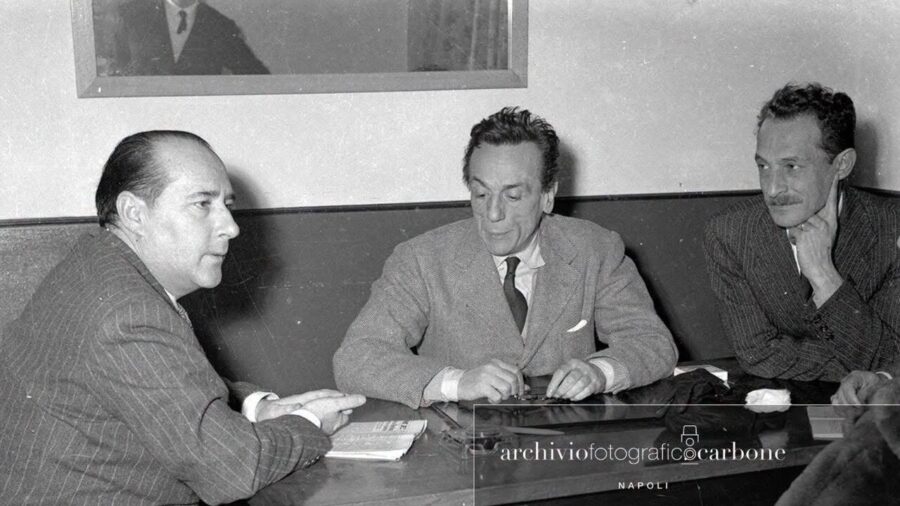
The Teatro San Carlo in Naples is commemorating the death anniversary of Eduardo De Filippo, acknowledging the late playwright’s contributions to 20th-century drama. The institution described De Filippo as a central figure in modern theater and an interpreter of the Neapolitan spirit.
A Legacy in Italian Theater
Eduardo De Filippo, born in Naples in 1900, remains one of Italy’s most influential cultural figures. His body of work includes plays, screenplays, and poetry, often focusing on the complexities of post-war Italian society and the specific cultural nuances of his home city. Throughout his career, he worked as an actor, director, and screenwriter, gaining international recognition for his dramatic realism.
The Teatro San Carlo, one of the oldest opera houses in the world, frequently highlights the connection between classical performance arts and the city’s literary heritage. By honoring De Filippo, the theater reaffirms its commitment to preserving the works of local artists who shaped the cultural identity of the region.
The Impact of Neapolitan Drama
De Filippo’s plays, such as Napoli Milionaria! and Filumena Marturano, continue to be performed globally. His writing style, often characterized by tragicomic elements, explored themes of family dynamics, poverty, and social displacement. The San Carlo’s tribute serves to reintroduce these themes to contemporary audiences, emphasizing the playwright’s ability to capture the specific historical and social conditions of the 20th century.
Why it matters: This commemoration underscores the enduring relevance of Neapolitan culture within the global arts community. For audiences in the Middle East and Egypt, where theater and storytelling are deeply rooted in social commentary, De Filippo’s work offers a parallel in how local traditions can be adapted to address universal human experiences and historical shifts.
 Egypt
 Saudi Arabia
 UAE
 Spain
 United Kingdom
 United States
 China
 India
