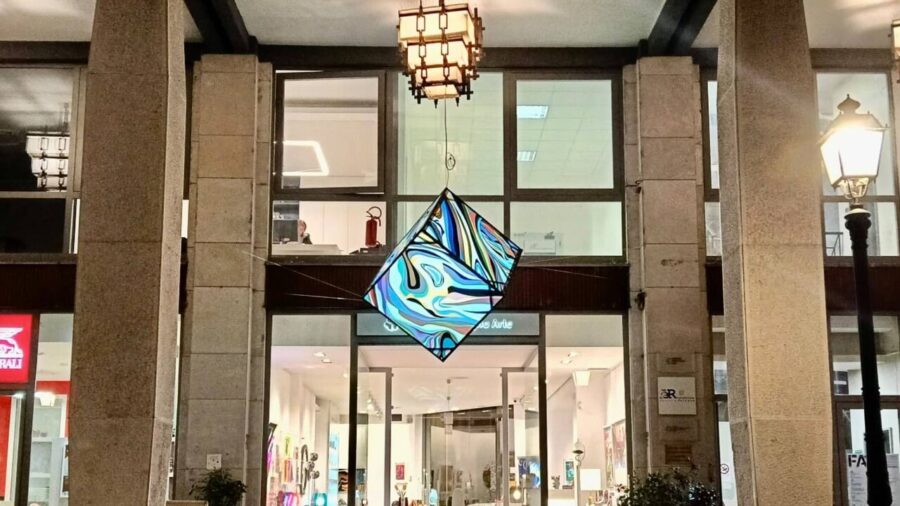
The Italian city of Chieti has launched a public art project intended to turn its urban center into an open-air museum. The initiative features a new light installation created by artist Pep Marchegiani, which is now on display along the historic Corso Marrucino.
Project Details and Official Reception
The installation, consisting of illuminated works, aims to integrate contemporary art into the city’s existing architecture. Local officials have endorsed the project as a method to engage the public and revitalize the downtown area. Chieti Mayor Diego Ferrara, referred to in reports as Legnini, praised the initiative, noting the value of bringing cultural elements directly to the city’s main thoroughfares.
The choice of Corso Marrucino as the primary location highlights the city’s intent to draw pedestrian traffic to its central business district. By utilizing light-based media, the installation is designed to be visible during both day and night, changing the aesthetic experience of the street for residents and visitors alike.
Context of Urban Art
Urban art installations in Italian historical centers often serve as a bridge between preservation and modernization. Municipalities frequently authorize such projects to encourage tourism and provide a cultural boost to local commerce. The collaboration between the municipal government and artists like Marchegiani is part of a broader trend in Italy to utilize public spaces as canvases for creative expression.
The installation is expected to remain in place as part of the city’s ongoing efforts to enhance public spaces. Future plans for similar projects remain under consideration by the municipal council, depending on the reception of the current exhibition.
Why it matters: This initiative illustrates how smaller historic cities are leveraging public art to drive foot traffic and modernize their urban identity. For regions like the Middle East and Egypt, where urban development often balances ancient heritage with contemporary needs, Chieti’s approach offers a model for using low-impact, temporary installations to revitalize historic commercial corridors without requiring major infrastructure changes.
 Egypt
 Saudi Arabia
 UAE
 Spain
 United Kingdom
 United States
 China
 India
