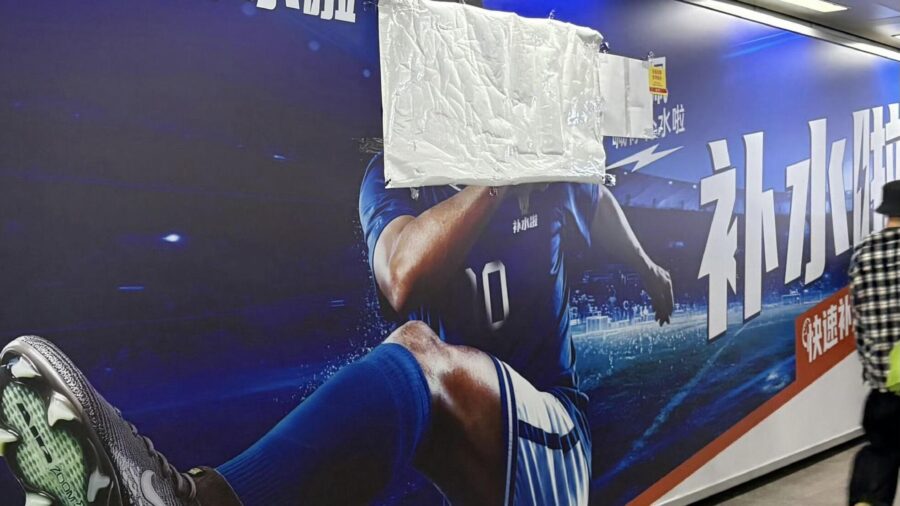
Kylian Mbappé’s recent controversy highlights how China’s vast consumer market can impose its political and cultural standards on foreign athletes.
Key takeaways
- Market size matters: China’s 1.4 billion‑person market generated roughly €6.2 trillion in retail sales in 2025.
- Party control is absolute: The Chinese Communist Party sets non‑negotiable red lines that affect even capitalist‑driven sectors.
- Offending sensitivities is costly: Missteps on political or cultural issues can lead to significant financial and reputational losses.
- Mbappé’s case illustrates the risk: The Real Madrid forward faced backlash after comments perceived as violating Chinese norms.
- Global brands must adapt: Companies and individuals seeking Chinese audiences must align with the party’s guidelines to avoid sanctions.
China’s retail clout
Analysts note that China’s consumer market, with 1.4 billion people, accounted for about €6.2 trillion in retail sales in 2025. The sheer scale makes it a crucial revenue source for multinational firms, including sports and entertainment entities.
Political red lines
Despite the market’s capitalist façade, the Communist Party retains ultimate authority. Its red lines cover political dissent, historical narratives and cultural sensitivities. Violations can trigger bans, fines or loss of market access.
Mbappé’s misstep
Real Madrid striker Kylian Mbappé recently made remarks that Chinese officials deemed offensive. The incident sparked criticism on Chinese platforms and raised concerns about potential commercial repercussions for the player and his club.
Implications for global actors
Businesses and public figures are urged to monitor Chinese regulations closely. Failure to comply may result in lost advertising revenue, restricted distribution or broader diplomatic friction.
Why it matters: The episode underscores how China’s economic weight can dictate cultural standards worldwide, affecting the earnings and public image of high‑profile individuals and multinational brands operating in or targeting the Middle East and Egypt, where Chinese investment and trade are growing.
 Egypt
 Saudi Arabia
 UAE
 Spain
 United Kingdom
 United States
 China
 India
