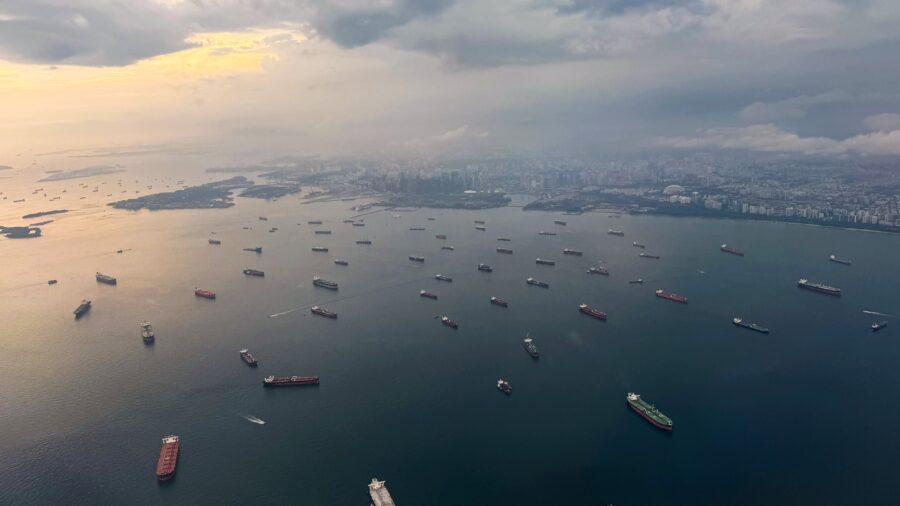
More than 80% of global merchandise trade relies on maritime routes, a dependency that leaves the world economy vulnerable to disruptions at strategic chokepoints. Recent events involving vital shipping lanes demonstrate how the closure of key passages can trigger widespread economic consequences, including energy supply shortages and rising inflation.
The Impact of Strategic Passages
The Strait of Hormuz serves as a primary example of how maritime control influences global markets. Before February, this passage, which is approximately 30 kilometers wide, facilitated the transit of 20% of the world’s oil consumption. When traffic through such a bottleneck is interrupted, it creates a cascading effect on the global economy.
Disruptions in these areas lead to several immediate consequences:
- Reduced global energy supplies.
- Sudden increases in fuel prices.
- Escalating costs for maritime shipping.
- Increased inflationary pressure on consumer goods.
These disruptions illustrate the direct link between ocean transit and the purchasing power of citizens. When maritime traffic is hindered, the resulting supply chain failures impact the cost of goods worldwide, demonstrating that modern economies cannot function independently of maritime stability.
Why it matters
The reliance on specific waterways for energy and trade means that geopolitical instability in these regions directly affects global economic health. For nations in the Middle East, the security of these straits is critical, as any blockage risks immediate volatility in oil markets and shipping costs, which subsequently drives inflation for countries reliant on imported energy and goods.
 Egypt
 Saudi Arabia
 UAE
 Spain
 United Kingdom
 United States
 China
 India
