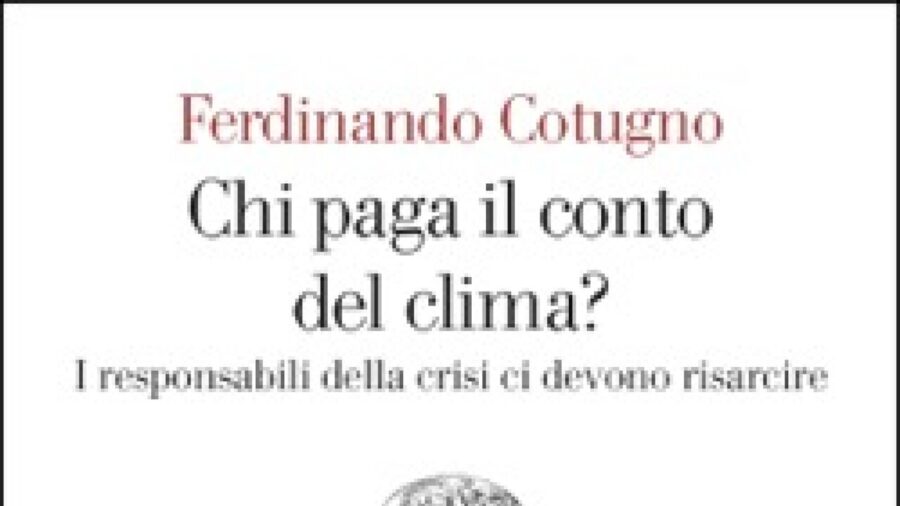
A new essay by author Cotugno investigates the intersection of climate change and predatory capitalism. The work analyzes the power dynamics expected to shape the upcoming global energy transition.
The Climate Crisis and Capitalism
Cotugno argues that the current environmental crisis is inseparable from existing economic models. The essay posits that predatory capitalism drives resource extraction, complicating efforts to mitigate global warming. The text suggests that historical economic structures are the primary obstacle to sustainable climate policy.
The Future of Energy Governance
The core of the analysis focuses on the question of who will control future energy systems. Cotugno examines how emerging social movements are responding to these shifts. The author outlines the challenges these groups face when confronting entrenched political and corporate interests. The text suggests that the transition will not be merely technical but fundamentally political.
New Movements and Political Agency
The essay explores the role of activism in influencing policy. Cotugno identifies emerging groups that are attempting to reshape the debate around energy security and environmental justice. The author contends that these movements represent a new phase of political engagement, aiming to disrupt established patterns of power. The work provides a framework for understanding how these actors might influence the pace and direction of the global energy transition in the coming years.
Current Status of the Debate
The discussion remains focused on the structural barriers to a rapid shift in energy policy. Cotugno’s work highlights the tension between established economic systems and the need for significant change. The essay serves as a critical examination of the political forces currently determining the trajectory of climate action.
Why it matters: This analysis highlights the political obstacles facing global energy reforms. For readers in the Middle East and Egypt, understanding these power dynamics is essential, as the region remains a central player in global energy markets and faces significant climate vulnerabilities.
 Egypt
 Saudi Arabia
 UAE
 Spain
 United Kingdom
 United States
 China
 India
