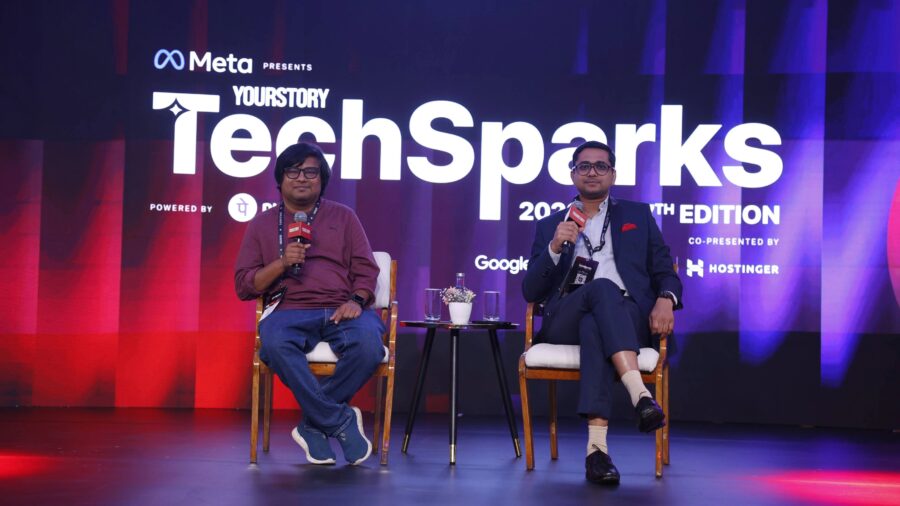
Artificial intelligence is moving beyond basic text prompts as systems begin to reason and execute complex workflows independently, according to Dr. Vignesh Subrahmaniam, Principal AI Scientist at Intuit. Speaking at the TechSparks 2026 conference, Subrahmaniam detailed the transition from human-directed input to autonomous, goal-oriented AI agents.
The Evolution of AI Development
Subrahmaniam compared the current state of AI to learning the rules of chess. He explained that just as an algorithm can deduce winning strategies by analyzing completed games, his team at Intuit analyzes business data to identify the actions that lead to customer growth and improved cash flow. The objective is to enable AI to learn the mechanics of business operations through actual outcomes rather than static programming.
This shift represents a change in how developers approach AI. While prompt engineering allowed users to program systems using plain English, Subrahmaniam noted that this method has inherent limitations. Intelligence is shifting away from the model itself and toward the tools the model uses to execute tasks.
Building Reliable AI Tools
The role of the large language model (LLM) is evolving into that of an orchestrator, which breaks complex objectives into specific, actionable steps. Subrahmaniam argued that developers must now build tools specifically for these orchestrators rather than for human users. This requires creating components that offer highly deterministic outputs, ensuring the AI can execute tasks consistently without unpredictable results.
The next frontier for AI development lies beyond text-based data, according to Subrahmaniam. He suggested that while learning from written text is largely a solved problem, the industry must now focus on multimodal sources and real-world actions. This approach mirrors how children learn by observing their environment rather than reading, presenting a new challenge for researchers and engineers.