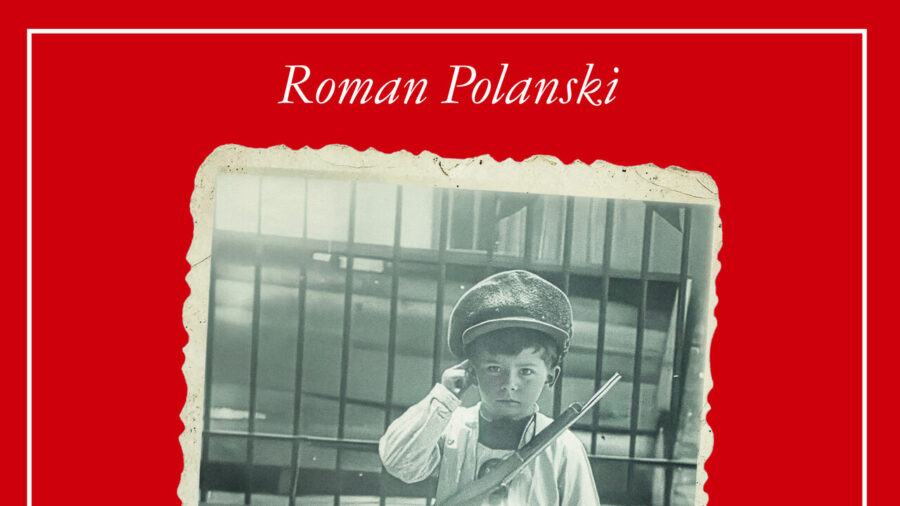
Film director Roman Polanski has detailed his childhood experiences during the Holocaust in a new book based on his testimony for the Mémoires de la Shoah project. The work, titled Roman Polanski: ‘I am a child who survived the Krakow ghetto,’ compiles his personal recollections alongside letters written by his father.
A Personal Archive of Survival
The book draws extensively from a long-form interview Polanski gave for the Holocaust archives. It focuses on his early life in Poland under Nazi occupation, specifically his time inside the Krakow ghetto. The publication incorporates correspondence from his father, Ryszard Polanski, providing a dual perspective on the family’s struggle during World War II.
Polanski has previously discussed the trauma of his youth in his 1984 autobiography, Roman by Polanski, but this new volume offers a concentrated look at the specific documents and memories archived during the Mémoires de la Shoah project. The project aimed to preserve the oral histories of survivors for future generations.
The Impact of Historical Documentation
The inclusion of his father’s letters adds a layer of historical record to the director’s own memories. These documents trace the family’s attempts to navigate the constraints and dangers posed by the German occupation of Poland. By combining oral testimony with written artifacts, the book provides a structured account of Polanski’s survival, emphasizing the psychological and physical toll of the ghetto years.
Why it matters: The release highlights the continued importance of preserving survivor testimonies from the Holocaust. For readers in the Middle East and globally, Polanski’s account serves as a primary historical document detailing the mechanisms of persecution during World War II and the enduring legacy of trauma on those who survived.