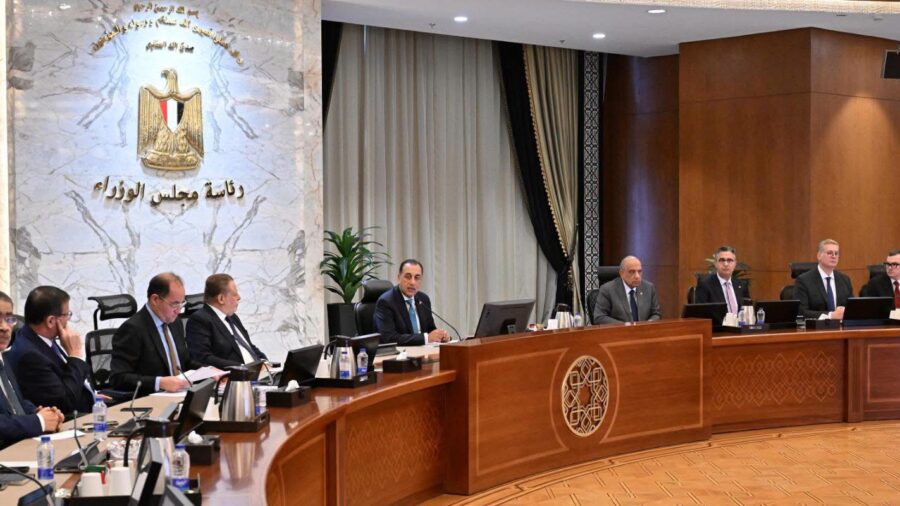
The Egyptian government is implementing a new strategy to reduce public spending and increase strategic commodity reserves in response to rising regional geopolitical instability. Prime Minister Mostafa Madbouly announced the measures following a Central Crisis Management Committee meeting held Monday in the New Administrative Capital.
Monday Evening: Crisis Management Meeting
Prime Minister Madbouly convened the Central Crisis Management Committee to address potential economic fallout from ongoing regional tensions. The government is developing contingency plans to mitigate impacts on local and global markets. Officials discussed reducing state fuel and energy consumption to ensure vital sectors remain operational. Finance Minister Ahmed Kouchouk and Planning Minister Ahmed Rostom are currently finalizing a framework to rationalize public expenditure and improve state resource efficiency.
Strategic Reserves and Supply Security
Minister of Supply and Internal Trade Sherif Farouk reported that Egypt maintains strategic reserves of essential commodities sufficient for an average of six months, with some goods exceeding that duration. The government has signed new supply contracts to further bolster these inventories. Additionally, the ministry continues an initiative offering 30 basic commodities at discounts ranging from 15% to 25% compared to external market prices through a nationwide retail network.
Current Status of Economic Measures
The government maintains that current economic and productive activities will continue without interruption. Officials confirmed that financial allocations for basic goods and petroleum products remain prioritized. The meeting included senior leadership, including Central Bank Governor Hassan Abdalla and ministers representing the electricity, agriculture, petroleum, information, and industry portfolios.
Why it matters: As regional instability threatens supply chains and market stability, these measures are intended to shield the Egyptian economy from external shocks. By prioritizing food security and fiscal discipline, the government aims to prevent shortages and stabilize prices for the domestic population.