Egypt’s Deputy Prime Minister for Economic Affairs, Hussein Issa, used the opening of the Abu Dhabi International Petroleum Exhibition and Conference (ADIPEC) on Monday to promote the country’s energy sector investment potential. Issa stated that the Egyptian government is focused on securing domestic energy supplies, upgrading infrastructure, and deploying new technologies to foster sustainable development.
Expanding Regional Influence
During the event, Issa highlighted Egypt’s strategic goal of becoming a regional energy hub. He emphasized the importance of the conference as a venue for dialogue with global investors and industry leaders. The official noted that the longstanding partnership between Egypt and the United Arab Emirates remains a key component of these economic objectives.
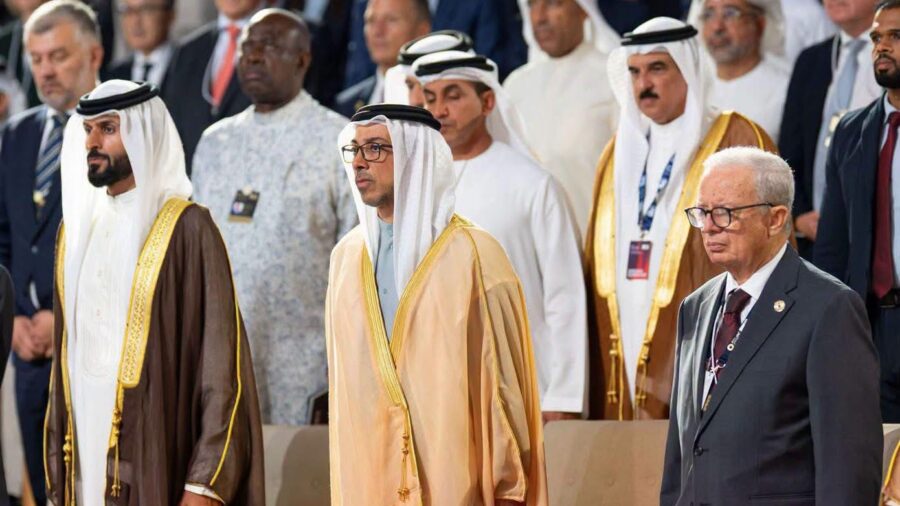
The 42nd edition of ADIPEC, held under the patronage of UAE President Sheikh Mohamed bin Zayed Al Nahyan, officially opened at the ADNEC Abu Dhabi center. UAE Vice President Sheikh Mansour bin Zayed Al Nahyan presided over the opening ceremony for the conference, which runs from Nov. 2 to Nov. 5.
Record-Breaking Participation
Organizers describe this year’s ADIPEC as the largest in its history. According to the Egyptian cabinet, the event is projected to attract over 239,000 visitors from more than 170 countries. The exhibition space spans 16 halls, featuring 2,260 exhibiting companies and 30 national pavilions, including an Egyptian delegation.
The four-day program includes more than 380 sessions featuring 1,800 speakers. Topics for discussion include:
- Energy security and infrastructure
- Natural gas and liquefied natural gas (LNG) markets
- The role of artificial intelligence in energy
- Industrial competitiveness and workforce development
Why it matters: As Egypt seeks to stabilize its energy sector and attract foreign capital, positioning itself as a central hub for natural gas and LNG in the Eastern Mediterranean is vital. The country’s presence at ADIPEC underscores its reliance on strategic partnerships with Gulf nations to facilitate infrastructure upgrades and meet growing domestic energy demand.