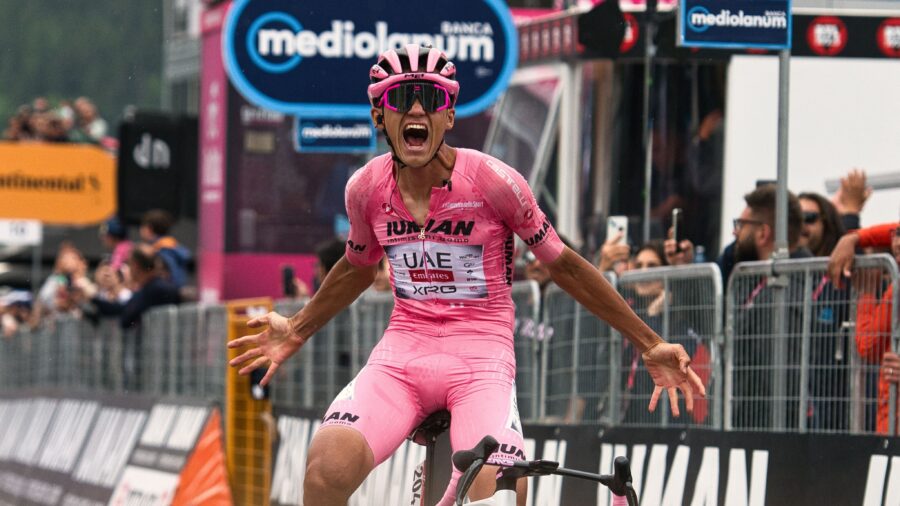
The 110th edition of the Giro d’Italia will feature a demanding route defined by eight summit finishes, marking a return to high-mountain intensity. Organizers announced a course that includes a mountain time trial and multiple legendary climbs, signaling a shift toward more extreme terrain.
Iconic Climbs Return
The 2027 route includes two ascents of the Mortirolo pass, utilizing the steepest side of the climb. Riders will also face the Gavia pass, which sits at an elevation of over 2,600 meters. Given the late May scheduling, organizers noted the route may still be covered in snow, echoing conditions seen during the 2014 edition when Nairo Quintana secured victory.
The route also incorporates the Zoncolan, a climb frequently compared to Spain’s Angliru for its steep gradients. This inclusion follows a decade of course designs that leaned toward more moderate profiles, similar to recent trends seen in the Vuelta a España.
Race Logistics and Impact
The inclusion of the Zoncolan and the dual Mortirolo pass indicates a focus on attrition and climbing prowess. The mountain time trial is expected to further separate the general classification contenders during the final stages of the race.
Why it matters: This route design signals a departure from recent Giro d’Italia editions, moving toward a more extreme and unpredictable race format. For cycling fans and competitors, the 2027 race represents a return to the high-mountain heritage that historically defined the competition.