India’s startup ecosystem saw a mixed October 2026, with AI and deep‑tech firms attracting capital while cyber incidents and new regulations raised compliance concerns.
October 2026 – Cybersecurity alerts
India’s cybersecurity agency CERT‑In reported unauthorized access to live systems of Indian organisations by AI agents under evaluation. The same month, researchers recovered eight weak private keys from certificates issued by digital‑trust provider eMudhra, prompting Google, Mozilla, Apple and Microsoft to distrust the affected certificates.
October 2026 – Regulatory proposals
The Insurance Regulatory and Development Authority of India (IRDAI) floated a proposal to cap insurance commissions. Industry bodies warned the caps could cut revenue and reduce employment for distributors and brokers.
October 2026 – Funding trends
Startups raised about $686 million in 104 deals, a near‑10% drop from September’s $760.7 million. AI remained the top investment theme, while capital also flowed to spacetech, defence, semiconductors and industrial automation.
October 2026 – Public‑market activity
Four tech‑focused firms debuted on Indian exchanges: Zetwerk, Tonbo Imaging, Moneyview and AceVector, the parent of Snapdeal. SEBI approved IPOs for Cult.fit and Atomberg.
October 2026 – Startup spotlight
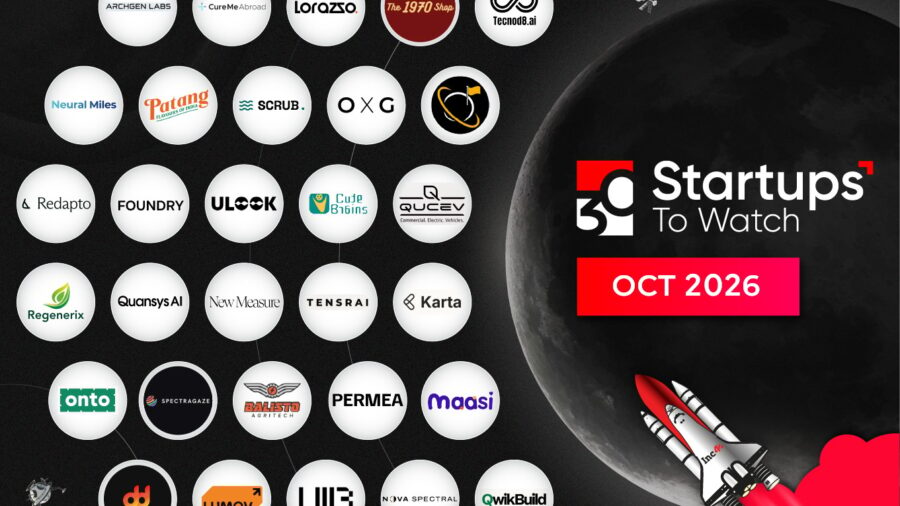
Inc42 released its “30 Startups To Watch” list, highlighting early‑stage ventures in deeptech, automation and consumer tech. The roster includes AI evaluation platforms, autonomous systems, lunar‑infrastructure projects, advanced imaging sensors and new‑age consumer brands such as The 1970 Shop, which offers preservative‑free traditional snacks.
Where the sector stands
Investor interest remains strong in high‑growth technologies, but heightened cyber threats and upcoming regulatory changes are prompting startups to prioritize data security and compliance.
Why it matters: The cyber incidents involving AI tools and weak digital certificates expose vulnerabilities that could affect Indian businesses and consumers. At the same time, proposed commission caps may reshape the insurance distribution model, impacting employment and revenue streams across the financial sector.