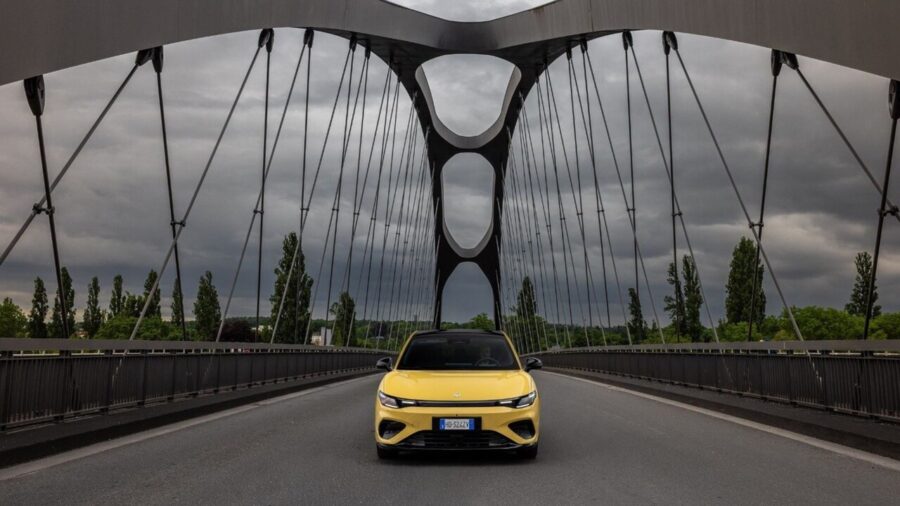
On a busy October morning in Milan, a line of newly painted Leapmotor vehicles waited at a dealership, ready for their owners. The Chinese automaker announced that 1,617 cars were delivered that month, pushing its cumulative registrations in Italy past the 30,000 mark for 2026.
Rapid growth in a competitive market
Leapmotor, a subsidiary of the Chinese automotive group Zhejiang Leapmotor Technology, entered the Italian market two years ago. Its sales have accelerated as the brand expanded its dealer network and introduced models with longer ranges and lower price points. The October deliveries represent the highest monthly volume for the company since its launch in the country.
Industry data show that the 1,617 vehicles delivered in October accounted for 18.8% of all electric passenger‑vehicle registrations among private buyers in Italy for that month. The share places Leapmotor ahead of several established European brands in the private‑consumer segment.
Implications and future outlook
Analysts note that the surge reflects growing consumer acceptance of Chinese EVs, which are often priced below comparable models from Western manufacturers. The performance also aligns with Italy’s broader push to increase electric‑vehicle adoption under national incentives.
Leapmotor’s CEO, Liu Wei, said the company aims to broaden its model lineup and improve charging infrastructure partnerships to sustain momentum. The firm plans to open additional showrooms in southern Italy and to launch a new compact SUV later in the year.
Regulators have welcomed the competition, citing the potential to lower overall vehicle prices and accelerate the transition to zero‑emission transport. However, consumer groups caution that long‑term reliability and after‑sales support remain key factors for widespread adoption.
Why it matters: The milestone demonstrates that Chinese electric‑vehicle makers are gaining a foothold in the European market, offering Italian buyers more affordable options and intensifying competition among manufacturers. The trend could influence pricing, availability of charging infrastructure, and the pace of Italy’s shift toward electric mobility.