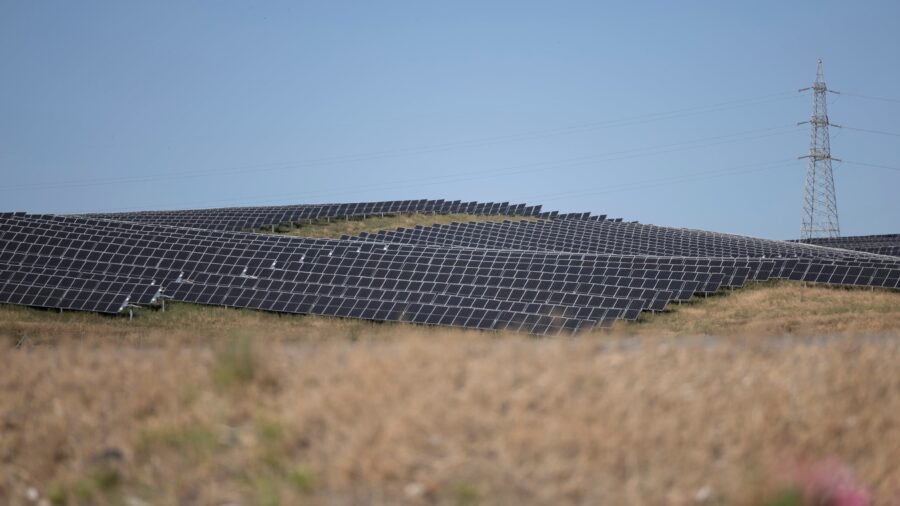
Negative power prices are accelerating the deployment of battery storage systems worldwide as renewable energy production outpaces grid demand. The trend, driven by the falling cost of solar energy, has created increased volatility in electricity markets.
Market Volatility and Solar Growth
Solar energy has emerged as the most cost-effective method for electricity generation, leading to rapid construction of new solar plants. However, this surge in capacity often results in an oversupply of electricity, pushing market prices into negative territory. When production exceeds grid capacity, generators must pay to offload excess power rather than curtailing production entirely.
The frequency of these negative price events is rising, creating a paradox where abundant energy availability destabilizes pricing structures. Industry analysts note that this market behavior is creating a direct financial incentive for storage solutions. By capturing excess energy when prices are low or negative, operators can store power for use during periods of high demand, effectively stabilizing supply.
The Role of Battery Infrastructure
The rise in negative pricing is fueling an accelerated rollout of large-scale battery storage projects. These systems function as a critical buffer, allowing grid operators to manage the intermittency of solar energy. As solar infrastructure continues to expand globally, the integration of battery technology is becoming a standard component of energy planning rather than an optional addition.
Why it matters: The transition to renewable energy requires managing the inherent volatility of solar and wind generation. For energy-importing nations and those expanding their renewable footprints, the ability to store excess power is essential to maintaining grid stability and ensuring that low-cost renewable energy remains economically viable for consumers.