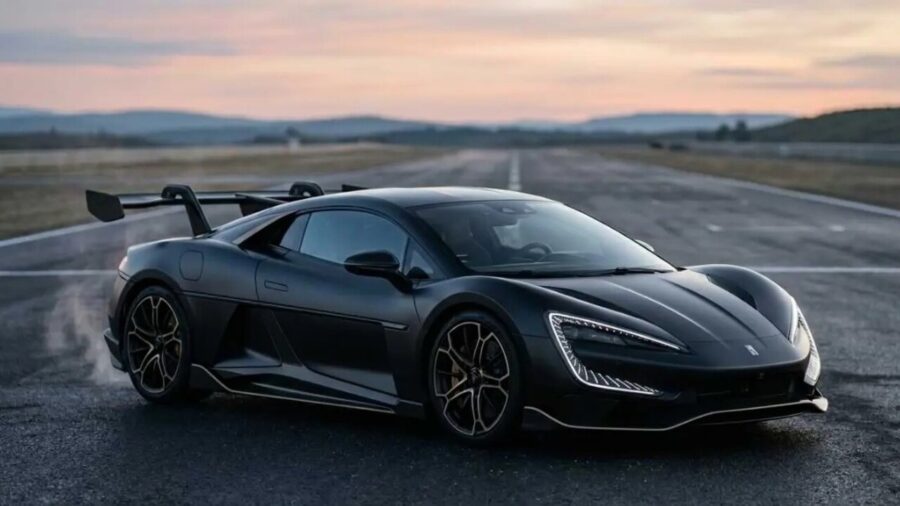
A high-speed crash involving a Yangwang U9 electric supercar has been documented in a video circulating on social media. The footage shows the vehicle losing control during a test, resulting in a significant impact, though the passenger cabin appeared to remain structurally sound.
The Yangwang U9 is a performance vehicle manufactured by the Chinese automaker BYD. The incident occurred during high-speed testing, according to the available footage. While the exterior of the vehicle sustained notable damage upon impact, preliminary observations suggest the structural integrity of the driver and passenger compartment was maintained throughout the crash sequence.
Vehicle Safety and Testing
Automotive manufacturers routinely subject new models to rigorous testing phases to evaluate performance and safety systems. These tests often include high-speed maneuvers and collision simulations to ensure that structural components, such as the chassis and safety cell, perform as designed under extreme stress.
The Yangwang brand, launched by BYD, positions itself in the luxury and high-performance segment of the electric vehicle market. The U9 model features advanced drivetrain technology intended to compete with established global supercar manufacturers. Data gathered from such testing incidents is typically analyzed by engineering teams to refine vehicle safety protocols and build quality before mass production or final delivery to customers.
Ongoing Development
BYD has not yet released an official statement regarding the specific circumstances of the crash or the data recorded by the vehicle’s onboard systems at the time of impact. It remains unclear how this incident will affect the vehicle’s development timeline or planned release schedule.
Why it matters: As electric vehicle manufacturers push the boundaries of performance and speed, safety data becomes increasingly critical for consumer confidence. Demonstrating that advanced electric platforms can protect occupants during high-speed failures is a key benchmark for the industry as it moves toward mass adoption of high-performance battery-powered vehicles.